Dana Point Beach Retreat Design for Easy Turnkey Living
You bought a beach home for easy escapes, not endless upkeep. If you want to arrive, tap a code, and head straight to the sand, your space needs smart planning and coastal‑tough materials. You also want the option to list it as a compliant short‑term rental later. This guide shows you how to turn your Dana Point property into a true lock‑and‑leave retreat, with design moves, durability upgrades, and local rules you should know first. Let’s dive in.
Dana Point runs a regulated short‑term rental program with permit caps, inspections, and specific operating rules. If you plan to host, start early and review the city’s requirements, including the application, inspection checklist, and priority for owner‑occupied home‑stays. In the Coastal Zone, the city requires an HOA letter confirming STRs are allowed before issuing a permit. Contact the City’s STR program early since caps and waitlists can extend your timeline. You can find the details on the City’s Short‑Term Rentals page.
Many exterior changes in the Coastal Zone, such as new decks, bluff‑adjacent structures, or major remodels, may require a Coastal Development Permit and Planning Commission review. Confirm permit needs before you budget for outdoor kitchens, terraces, or view‑facing structures, since added conditions and longer timelines are common along the coast. Start with the City’s Planning FAQs to see how the Coastal Overlay applies to your address.
Standard homeowners policies typically exclude flood damage. Check your address on FEMA’s Flood Map Service Center to understand flood zone and elevation. If flood coverage is recommended, compare National Flood Insurance Program options with private policies so you can budget operating costs accurately.
Dana Point Harbor and nearby low‑elevation areas are part of regional sea‑level rise planning. If your property is near the beach or harbor, include long‑term resilience in your due diligence and maintenance plan.
Dana Point’s Mediterranean microclimate brings mild temperatures, a marine layer in late spring and early summer, and steady ocean breezes. Salt spray, UV, and sand are the real wear factors. These local conditions should drive your choices for metals, fabrics, flooring, and exterior finishes.
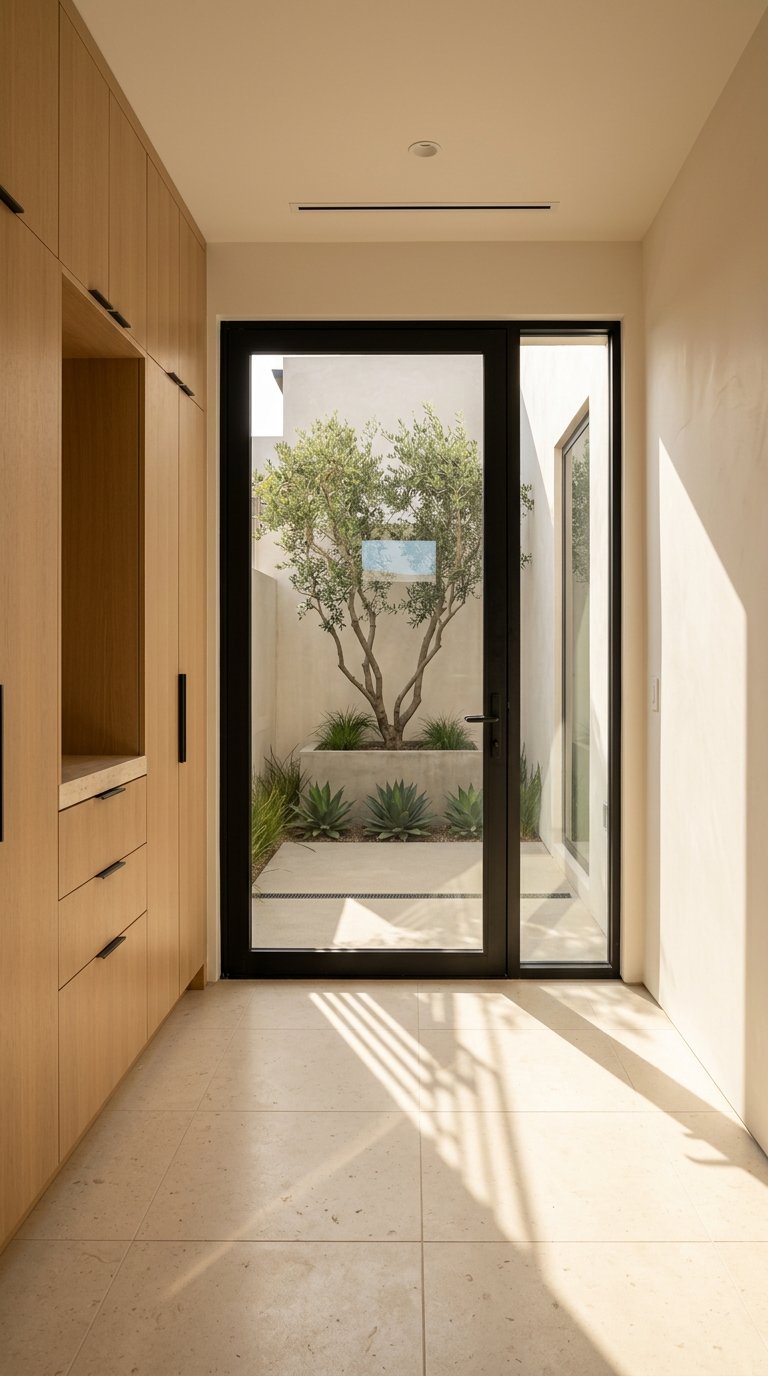
A compact, durable mud zone is the single biggest stress reducer. Add a wipe‑clean bench, hooks for wetsuits and jackets, a drain or boot tray, and a ventilated cabinet for towels and beach gear. Place the laundry close by and keep a washable mat at the threshold. For rentals, include a hidden spot for beach chairs and umbrellas to keep the living area photo‑ready.
Map a simple path from parking to entry to main living to the terrace. Avoid routing through private closets or utility rooms. Place a short printed welcome with Wi‑Fi, appliance tips, trash days, and neighborhood quiet hours near the entry. Clear parking and house‑rules signage helps you align with city STR nuisance standards if you decide to host later.
Use a smart lock with temporary guest codes, a smart thermostat with schedules or geofencing, and water‑leak detectors at sinks, the dishwasher, and laundry. A monitored smoke and CO system adds another layer of safety when you are away. If you host, list a local 24/7 contact as required by the city and line up a cleaner and a marine‑savvy handyman for fast turnarounds.
For STR use, post your city permit number where required, maintain TOT and business registration records, and confirm your HOA allows short‑term rentals. In the Coastal Zone, the city requires an HOA letter for STR permitting. Keep this documentation organized so renewals and inspections stay smooth.
Salt air accelerates corrosion. For exterior fasteners, hinges, and railings, specify 316 or 316L stainless steel where practical. The added molybdenum improves resistance to chloride pitting compared with 304 stainless, which means less staining and longer life near the ocean. Ask for grade certifications on coastal projects.
Capped composite decking resists rot, fading, and salt better than most natural woods, and it needs less maintenance. Pair it with powder‑coated aluminum or marine‑grade railing systems to minimize rust and upkeep. Confirm care steps with the manufacturer so you keep warranties intact.
Choose solution‑dyed acrylics, like Sunbrella, for cushions and umbrellas. They resist fading, dry fast, and can handle diluted bleach for mildew if you follow care instructions. Use removable covers and store cushions seasonally to extend their life.
In entries, kitchens, and baths, porcelain tile is nearly bulletproof and easy to rinse. For whole‑home comfort with low maintenance, luxury vinyl plank or SPC gives you a warm underfoot feel and simple cleanup after beach days. If you want wood visuals, consider engineered hardwood in drier, low‑splash zones.
For kitchens, choose quartz or other non‑porous engineered stones for stain resistance and easy wipe‑downs. If you build an outdoor kitchen, use granite, porcelain, or stainless appliances rated for outdoor and coastal conditions. On exterior metal, high‑quality pre‑treatment and coastal‑rated powder coating help fight salt exposure. Plan on regular wash‑downs and periodic touch‑ups to protect finishes.
Dedicate a cabinet with ventilated shelves for wet towels and suits and include a hose bib or boot tray for quick rinses. Wall or ceiling racks keep surfboards and SUPs off the floor and reduce dings. Add lockable storage for owner items and a simple repair kit in the entry closet.
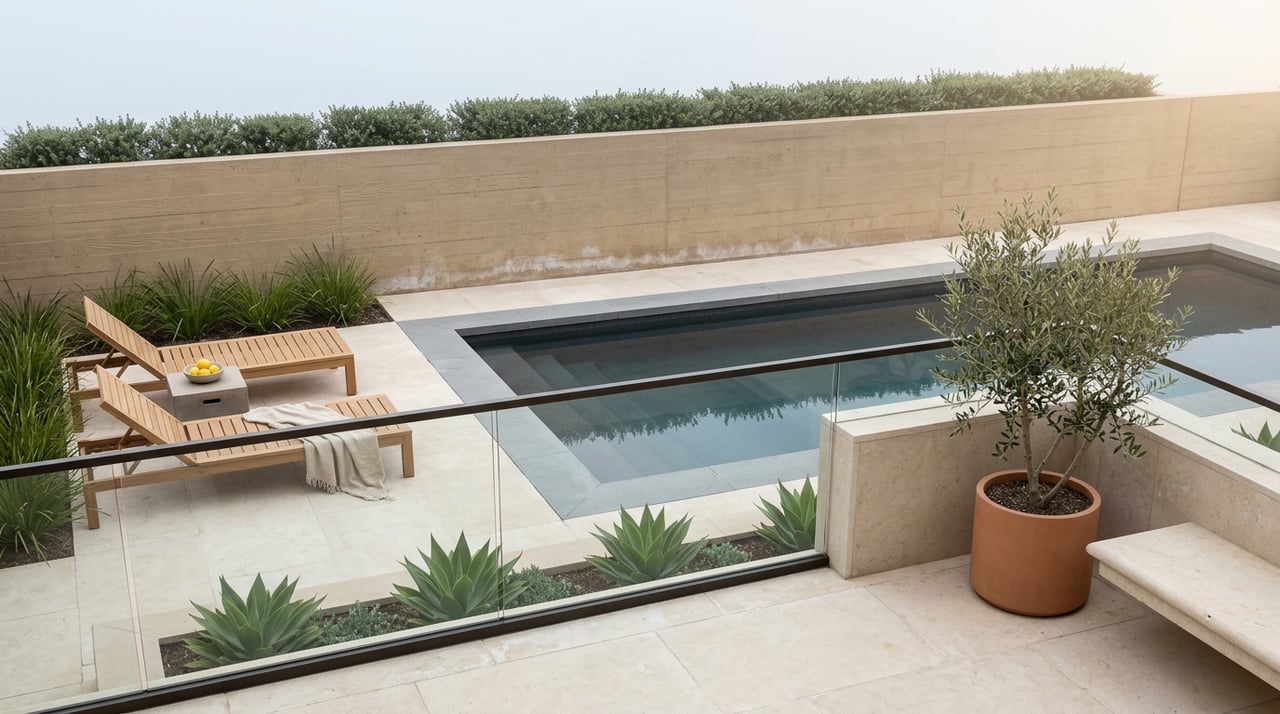
An outdoor shower or a dedicated rinse station near the garage or side yard helps stop sand outside and protects plumbing fixtures indoors. Use teak, porcelain, or stone underfoot with 316 hardware for durability, and make sure drainage and any plumbing changes follow local rules.
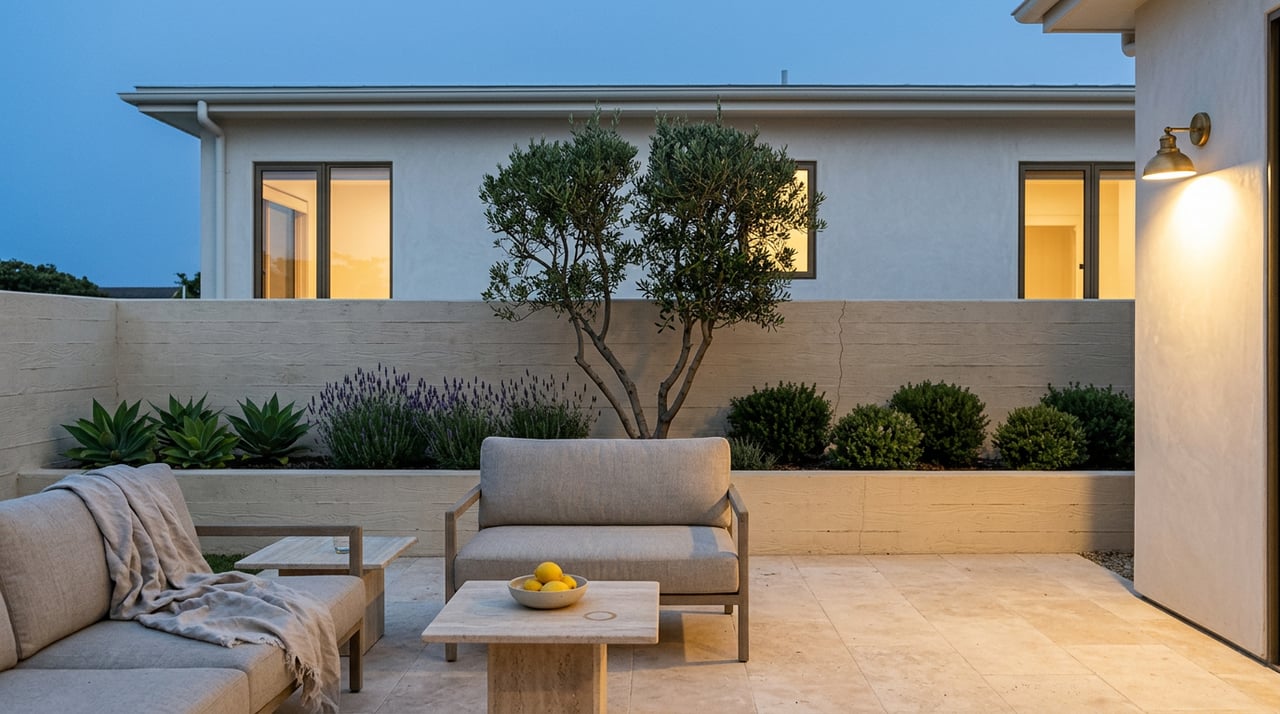
Washable slipcovers on sofas, indoor‑outdoor low‑pile rugs, and light, solid bedding simplify cleaning. Keep décor minimal with a few coastal accents so surfaces stay uncluttered. A labeled cleaning caddy and a single, visible spot for manuals and local guides reduce guest questions.
Choose a neutral, durable base palette that photographs well. Add a clean parking and trash map near the entry and a laminated “Good Neighbor” page with quiet hours and your local contact. This protects guest experience and aligns with city STR expectations.
When you are ready to turn vision into reality, tap a boutique team built for coastal homes. From AutoCAD planning and design to compliant STR setup and management, Laura Valente and YourPerfectPalace streamline every step so you can just arrive and exhale.



We pride ourselves in providing personalized solutions that bring our clients closer to their dream properties and enhance their long-term wealth. Contact us today to find out how we can be of assistance to you!