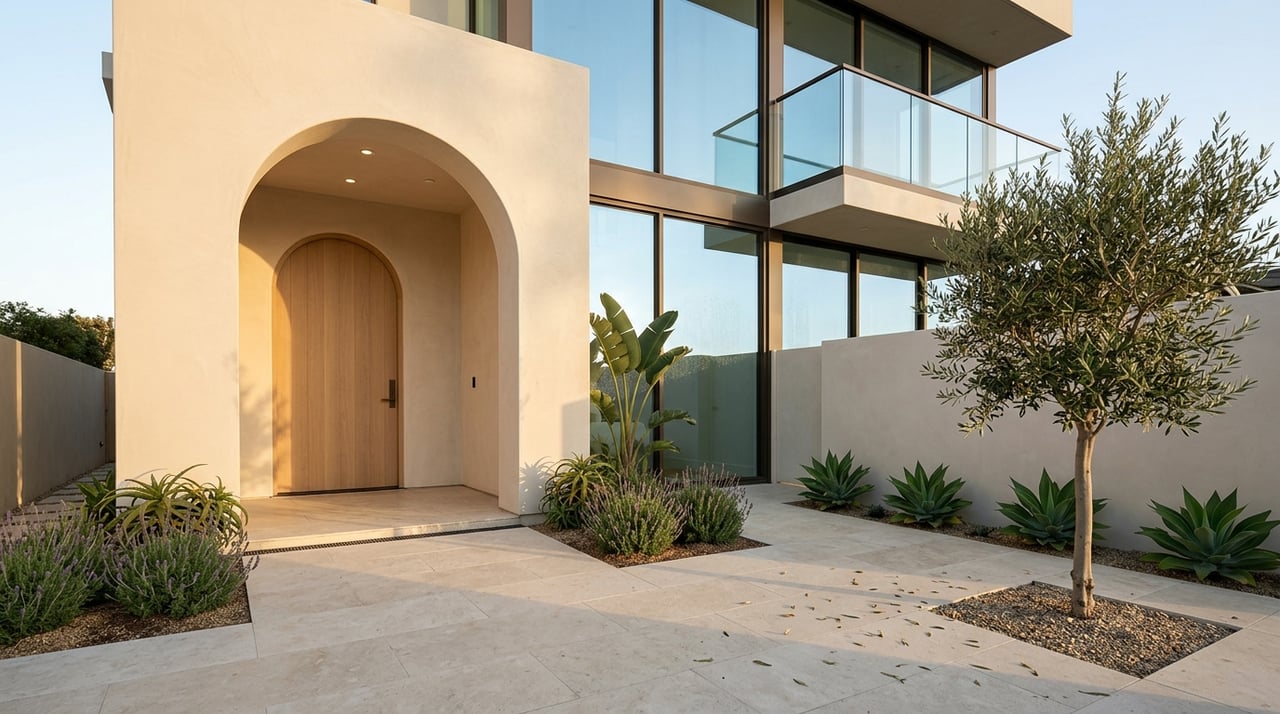
Should You Remodel Or Move In San Diego?
You love your San Diego home, but something is not lining up anymore: space, layout, finishes, or location. You’re torn between opening walls and starting fresh somewhere new. It’s a big call, and the San Diego market, permitting rules, and construction realities can tip the scales either way. In this guide, you’ll compare costs, timelines, permits, and resale impact so you can decide with confidence. Let’s dive in.
San Diego is a high-price, low-inventory market, which means timing and preparation matter. Industry platforms reported typical home values in the low-to-high $900Ks through January 2026, and the county median hovered near $900,000 in 2025 per the San Diego Association of REALTORS. You also saw signs of more buyer leverage, with many buyers paying below list price in 2025, according to local reporting that highlighted discounts versus asking. In a market like this, targeted improvements can move the needle, but success depends on neighborhood comps and how your home stacks up.
References: See the county median and local trends via the San Diego Association of REALTORS and buyer discount reporting from Axios San Diego.
Remodeling is compelling when your home’s bones and location work, and local comps reward move-in-ready finishes. National Cost vs. Value benchmarks show smaller, well-executed cosmetic projects often recoup a higher share of cost than full gut jobs. In San Diego, labor and materials typically run higher than national averages, so a midrange kitchen refresh often lands in the $35,000 to $80,000 range, while major remodels can exceed $100,000. The key is to align your scope with neighborhood price ceilings and buyer expectations.
For ROI perspective, use the 2025 industry study as your reference for typical recoup rates and project scope comparisons: 2025 Cost vs. Value.
Expect meaningful disruption. Cosmetic kitchen work can take 2 to 6 weeks, while major reconfigurations often run 8 to 16 weeks or more, depending on permits and custom lead times. Bathrooms commonly take several weeks, and additions or ADUs can stretch several months from design through permit and construction. Build in a 10 to 20 percent contingency for surprises, and consider a temporary living or dining plan if your kitchen or primary bath is offline for weeks. For an honest look at timelines and the importance of contingency, see this contractor perspective on remodel durations and budgeting.
San Diego requires permits for most structural, electrical, plumbing, window, roof, and addition projects. Properties in the Coastal Overlay Zone or projects that change a footprint can trigger a Coastal Development Permit and extra review. If you are considering an ADU or JADU, the city has updated rules, and coastal parcels may have added steps. Start early with Development Services to confirm requirements.
Sometimes a remodel cannot deliver the space, location, or school access you want within a budget or timeline you can tolerate. If you would need a major reconfiguration or expensive addition to reach your goals, selling and buying a purpose-fit property may be more efficient. Remember to factor in typical seller transaction costs, which often include agent commissions and closing costs. Also weigh the mortgage rate and payment on your next home compared with your current financing.
Once you accept an offer, most financed sales close in about 30 to 45 days, while cash can be faster. Your total sell-and-buy timeline varies with inventory and negotiation strategy. A coordinated plan can include rent-backs, bridge financing, or purchase contingencies so you are not rushed into the wrong home. For a refresher on closing timelines, review this closing process overview.
Budget for the move itself. Full-service local moves commonly range from about $1,000 to $6,000 or more depending on distance, home size, packing, and specialty items. Get multiple quotes and confirm insurance coverage and scheduling. A helpful overview is this local moving cost guide.
High-end, custom work does not always translate to dollar-for-dollar resale gains if it takes your home beyond neighborhood norms. Appraisers rely on comparable sales, so the market must support your new finish level or added square footage. This is why minor to midrange projects and curb appeal upgrades often show stronger percentage recoup, while full gut projects tend to recoup less. Use Cost vs. Value as your starting point, then ground your expectations in on-the-block comps. Reference study: 2025 Cost vs. Value.
Use this step-by-step flow to choose with confidence:
You love your neighborhood and only need a refresh. A light, midrange kitchen update, bath refresh, fresh paint, and landscaping could deliver an attractive resale boost with weeks of disruption instead of months. If comps show a premium for move-in-ready, this path is often the sweet spot.
You need a bigger footprint or a different location. If your wish list requires a major reconfiguration, structural changes, or a new ADU on a coastal parcel, you may be looking at a long permit path and six-figure spend. In that case, selling and purchasing a home that already fits your needs can be faster and more cost predictable.
If you are within 6 to 12 months of a decision, it pays to get granular now. You will want design-forward pricing for a targeted refresh and a clear read on your home’s as-is value versus a remodeled value. You will also want real comps for the homes you would buy next.
Ready for a concierge, design-first plan tailored to your home and neighborhood? Reach out to Laura Valente for a no-pressure consult, an instant home valuation, and a side-by-side remodel-versus-move roadmap that includes curated contractor bids, AutoCAD layout options, and staging strategies.

We pride ourselves in providing personalized solutions that bring our clients closer to their dream properties and enhance their long-term wealth. Contact us today to find out how we can be of assistance to you!