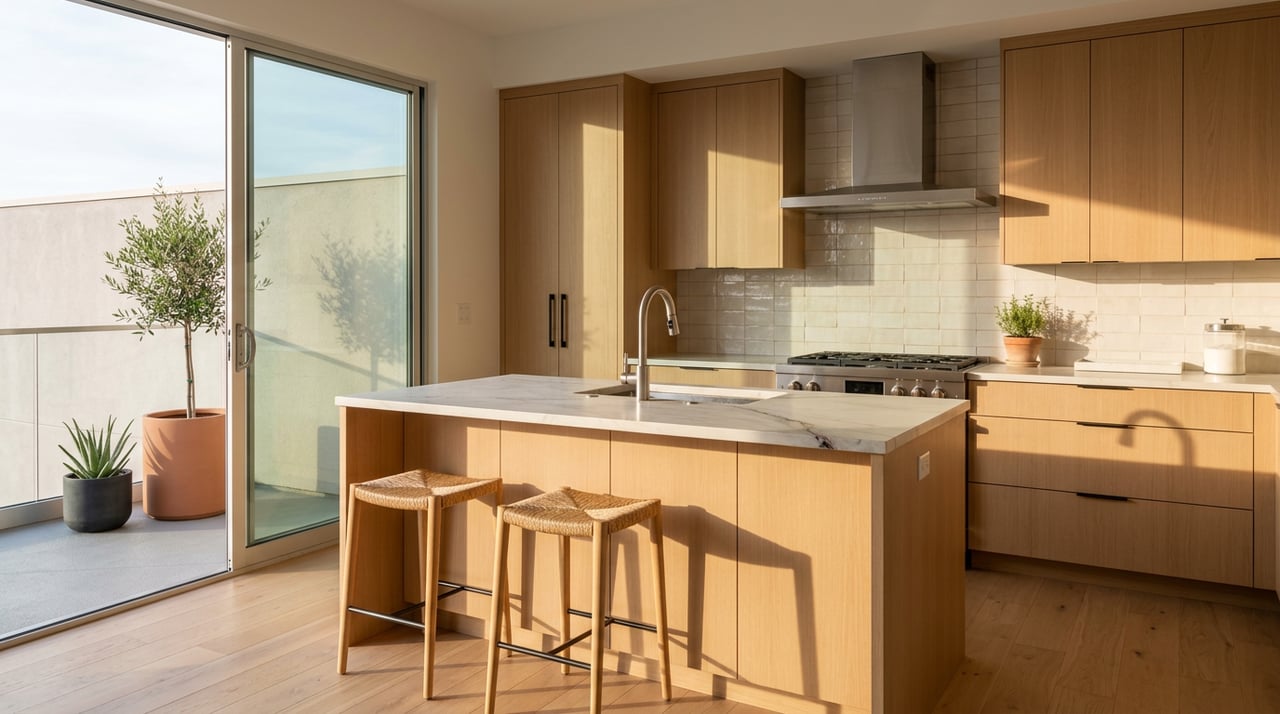
From Purchase To Turnkey Rental In San Diego
Thinking about buying in San Diego and turning it into a hands-off rental right away? You’re not alone. San Diego rents sit near the top of U.S. markets, though recent reports show softening and more tenant leverage in some submarkets. If you want reliable income and a smooth launch, you need a clear plan from purchase to design, permits, and professional management. This guide walks you through that path so you can activate a compliant, long-term turnkey rental with confidence. Let’s dive in.
San Diego’s average apartment rent was in the mid-$2,900s in early 2026, according to the latest dataset from RentCafe. At the same time, local reporting using CoStar data noted several months of rent declines and rising vacancy in late 2025, signaling a softening market and greater tenant leverage heading into 2026. You should underwrite conservatively and evaluate rent potential by submarket rather than assuming citywide growth. For context, review the local coverage of these market shifts.
This playbook focuses on long-term housing. If you are considering short-term rentals, the City’s Short-Term Residential Occupancy program requires licensing, adherence to tier caps, and Transient Occupancy Tax registration. Operating without a license is unlawful. Review the City’s STRO program to understand how those rules differ.
California’s Tenant Protection Act (AB 1482) limits most annual rent increases to 5% plus regional CPI, up to 10%, and adds just-cause eviction protections for many units. Some properties are exempt, including certain single-family homes and newer construction. Confirm coverage for the specific property by reviewing the AB 1482 statute and the property’s characteristics.
California security deposit rules are strict. Landlords must return deposits or provide an itemized statement within 21 days after move-out. Receipts are required for certain deductions. Follow the state’s guidance and keep clear records. See the state’s security deposit overview.
If you are buying in an HOA, check rental rules early. Under Civil Code §4741, associations cannot cap long-term rentals below 25% of the community and cannot unreasonably prohibit leasing. Associations may, however, prohibit rentals of 30 days or less. Review the CC&Rs and compare them to Civil Code §4741 during due diligence.
Different product types attract different renters. Single-family homes may appeal to longer-term renters who value space. Condos and small multifamily can draw professionals who prioritize location and amenities. In-unit laundry, secure parking, cooling, and modern kitchens and baths are common decision drivers in San Diego.
Use a simple framework to compare options:
Before you submit an offer, request the rent roll, copies of all leases and concessions, service contracts, recent P&L, utility split history, and any HOA resale packet. Schedule inspections for roof, structure, plumbing, electrical capacity, HVAC, pest, and sewer where applicable. Many value-add projects require permits. Use the City’s Development Services Department to confirm what your scope will require and to check prior permit history. Start with the DSD portal.
Common routes include conventional investor mortgages, local bank portfolio loans, or cash. Investor loans often require higher down payments and stricter debt-service coverage. Get pre-approved early and be ready to furnish leases, historical financials, a rent roll, and proof of reserves if you are buying an occupied asset.
Build a conservative model that includes:
To estimate taxes and common questions ahead of closing, consult the county resources, starting with the San Diego County property appraiser FAQs.
Confirm change-of-ownership and assignment clauses in current leases. Identify whether tenants are month-to-month or on fixed terms and whether AB 1482 protections apply. Pull the property’s permit history. Confirm any required local registrations or inspections for rentals before move-in.
Focus on improvements that move the needle on rentability and durability:
For condos and HOA properties, confirm the work is allowed under the association’s rules and that the intended use complies with Civil Code §4741.
Permits are not optional. Structural, plumbing, mechanical, electrical, or gas work will typically require permits and inspections. Hire licensed contractors who pull permits and deliver final sign-offs. Keep as-built plans, warranties, and inspection records. The City’s Development Services pages list permit triggers and process steps.
Furnish for longevity and easy care: commercial-grade fabrics, simple neutral styling, and sturdy mountings for TVs and shelving. Provide a clear inventory list, warranty info, and labeled instructions for HVAC, garbage, and utilities. Confirm smoke and CO detectors, GFCI protection in kitchens and baths, and other safety features meet state and local requirements before occupancy.
If you hire a third party to market units, solicit tenants, negotiate leases, collect rent, or manage tenants for compensation, that party generally must be a licensed real estate broker or work under a broker. Always verify credentials and review the management agreement. See the California Department of Real Estate’s advisory for context.
Expect marketing and leasing, screening and placement, rent collection, routine inspections, maintenance coordination and vendor payments, monthly accounting, and eviction coordination where permitted. Compare fee structures, vacancy policies, repair approval thresholds, and tenant placement fees. Ask how often they review market rents and how they manage renewals to limit turnover.
Provide your manager with:
Monitor net operating income, occupancy, turnover cost per unit, maintenance spend as a percent of rent, and cash-on-cash return. Benchmark your rents and vacancy against trusted local indices over time. San Diego submarkets can diverge, especially as new supply delivers, so adjust strategy by neighborhood rather than citywide averages.
If you want a single, senior-led team to help you acquire, design, and deliver a rent-ready property, we’re here for you. From AutoCAD planning and curated finishes to leasing and ongoing management, you get one accountable partner focused on results. Start a conversation with Laura Valente to plan your turnkey path.

We pride ourselves in providing personalized solutions that bring our clients closer to their dream properties and enhance their long-term wealth. Contact us today to find out how we can be of assistance to you!