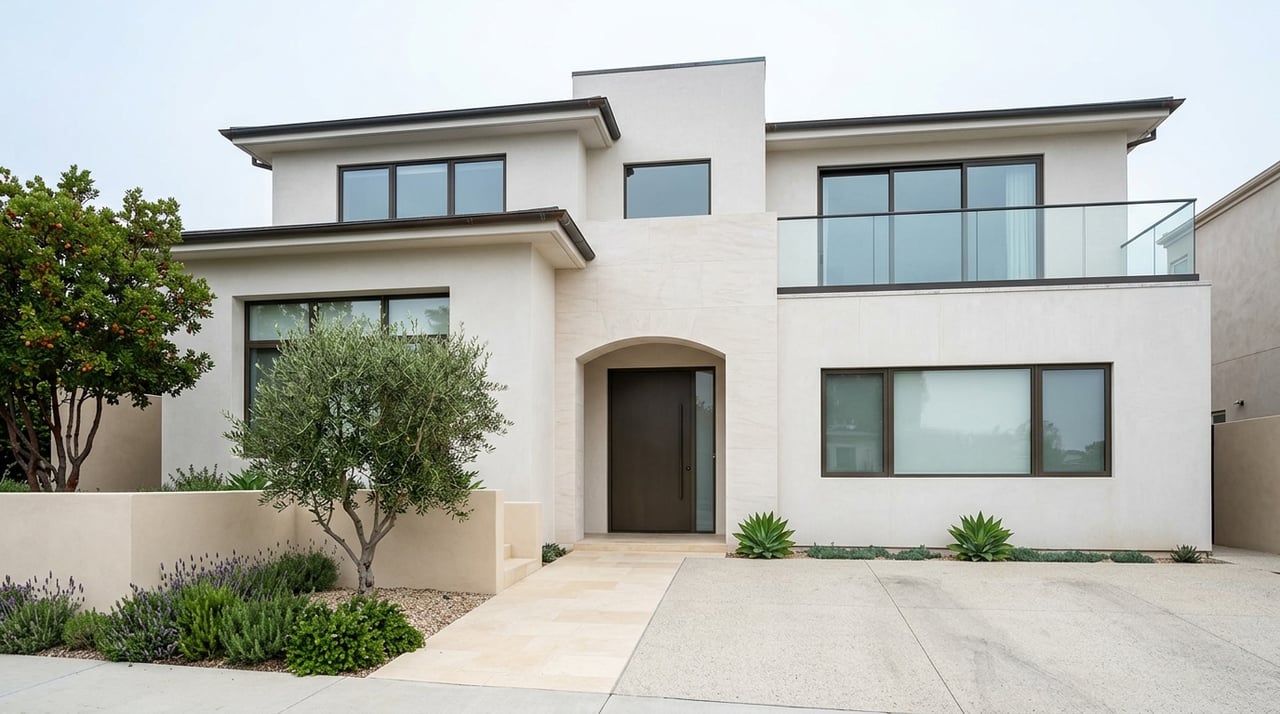
Coastal vs Inland Carlsbad: Lifestyle and Home Value Guide
What matters more to you in Carlsbad: stepping out toward the beach and Village amenities, or having more neighborhood variety and a wider range of home styles? If you are trying to choose between coastal and inland Carlsbad, the answer is rarely just about price. It is about how you want your days to feel, what kind of home fits your routine, and where you see the strongest long-term value for your goals. Let’s dive in.
Carlsbad is not one uniform housing market. According to U.S. Census profile data for Carlsbad, the city has an estimated 48,066 housing units, with a mix of detached single-family homes, attached homes, and multifamily properties.
That matters because “coastal” and “inland” Carlsbad are better understood as neighborhood clusters than fixed lines on a map. Even within the same ZIP code, pricing and housing style can vary sharply, so your best choice often comes down to the exact community, block, and lifestyle tradeoff you prefer.
Coastal Carlsbad tends to attract buyers who want easy access to the beach, lagoon-adjacent open space, and more walkable everyday living. The city highlights Carlsbad’s beaches and nearby amenities like Buena Vista Lagoon and Agua Hedionda Lagoon as major lifestyle features.
If you picture morning walks, bike rides, and being close to the Village, the coast has a strong advantage. Carlsbad also notes it has about 67 miles of trails and 51 miles of open-space trails, and the coastal trail network helps support that outdoor rhythm.
One of coastal Carlsbad’s biggest differentiators is mobility without always relying on your car. NCTD planning documents describe Carlsbad Village as an active transportation hub, with COASTER and BREEZE ridership supporting local and regional travel.
Poinsettia Station adds another practical advantage, including beach access via an underpass. If your routine includes commuting, dining out, or simply wanting more connected living, this can be a meaningful quality-of-life benefit.
Coastal housing often feels older, tighter, and more mixed in format. Instead of one predictable pattern, you may find detached homes, attached homes, smaller lots, and redevelopment opportunities within the same broader area.
For buyers, that can be a plus if you value charm, location, and flexibility more than a uniform neighborhood layout. For sellers and investors, it can also create opportunities to think more strategically about presentation, updates, and long-term use.
The coast does not come with lifestyle upside only. The city’s Terramar Area Coastal Improvement Project points to ongoing traffic, safety, and walkability issues in parts of the coastal area, including corridors near Carlsbad Boulevard and Cannon Road.
In practical terms, that means some coastal streets can feel busier and parking can be tighter. If you love the coast, it is worth weighing not just proximity to the beach, but also how each micro-location handles traffic flow and daily access.
Inland Carlsbad usually appeals to buyers who want more neighborhood variety, a more suburban street pattern, and a broader range of lot sizes. While detached homes are common citywide, inland communities often reflect a more planned layout with HOAs, organized streets, and a mix of compact and larger parcels.
This does not mean every inland home sits on a large lot. It means you generally have more choices, from zero-lot-line HOA homes to larger properties in communities like La Costa, Aviara, and Bressi Ranch.
One of the biggest myths about inland Carlsbad is that all lots are large. That is not the case. Recent inland examples in the research show everything from compact planned-community homes to properties around a quarter acre or more.
If you are comparing value, this flexibility matters. Inland Carlsbad can give you a better chance of matching your budget and space needs without forcing you into one housing style.
Inland buyers often lean more on major roads and freeway connections. Carlsbad’s general plan identifies important north-south and east-west corridors such as El Camino Real, College Boulevard, Palomar Airport Road, Poinsettia Lane, Aviara Parkway, and La Costa Avenue, with SR-78 just north of the city.
You can review this network in the city’s general plan circulation framework. If your day-to-day routine depends on driving to work, regional travel, or moving around North County, inland access may feel simpler and more direct.
Choosing inland does not mean giving up Carlsbad’s outdoor lifestyle. The city’s trail system overview includes inland and northeast-oriented areas such as Calavera Hills, Robertson Ranch, and Quarry Creek.
That gives inland buyers a different version of Carlsbad living. Instead of prioritizing the beach and rail access, you may prioritize trail access, neighborhood layout, and a little more breathing room.
In broad terms, coastal Carlsbad usually commands a premium, especially in beach-adjacent areas. The research report notes that recent market snapshots showed 92008 around $1.75 million median home price and about $870 per square foot, compared with roughly $1.25 million in 92009, about $1.49 million in 92010, and about $1.275 million in 92011.
The bigger lesson, though, is not simply that coastal costs more. It is that Carlsbad has meaningful submarket variation, and ZIP codes can hide it. In 92011 alone, neighborhood pricing can range widely, which is why buyers and sellers should evaluate value at the neighborhood level, not just by mailing address.
Usually, beach-adjacent areas carry a higher price point because you are paying for access, scarcity, and lifestyle. That said, premium inland pockets can overlap with or approach coastal pricing depending on lot size, views, home condition, and community setting.
That is why your purchase decision should focus on value for your lifestyle, not just headline median numbers. A coastal home may deliver a stronger fit if walkability and beach access shape your routine, while an inland home may feel like the better value if space and layout matter more.
Carlsbad’s coastal and inland experience can feel different even within the same city. Data from the NOAA climate normals reference for McClellan-Palomar Airport shows a mean annual temperature of 62.5°F, with average daily highs around 75.8°F in August and 64.6°F in December.
The research also notes that coastal Southern California is moderated by the Pacific and marine layer. In plain terms, the coast often feels cooler, breezier, and cloudier in the morning, while inland neighborhoods typically feel a bit warmer and less influenced by ocean conditions.
For some buyers, this is a small detail. For others, it affects everything from outdoor habits to how a home feels through the seasons.
If you want beach access, Village energy, transit convenience, and a more walkable setting, coastal Carlsbad may be worth the premium. If you want more neighborhood variety, a broader range of lot options, and easier freeway-oriented movement, inland Carlsbad may offer the better fit.
The right answer is not universal. It depends on how you live now, how you want to live next, and which location gives you the strongest combination of comfort, utility, and long-term value.
A thoughtful home search in Carlsbad should go beyond beds, baths, and price per square foot. It should also consider layout potential, neighborhood feel, mobility, and the kind of daily experience you are really buying.
If you want help comparing coastal and inland opportunities in Carlsbad with a design-focused eye on value, lifestyle, and future potential, connect with Laura Valente.

We pride ourselves in providing personalized solutions that bring our clients closer to their dream properties and enhance their long-term wealth. Contact us today to find out how we can be of assistance to you!