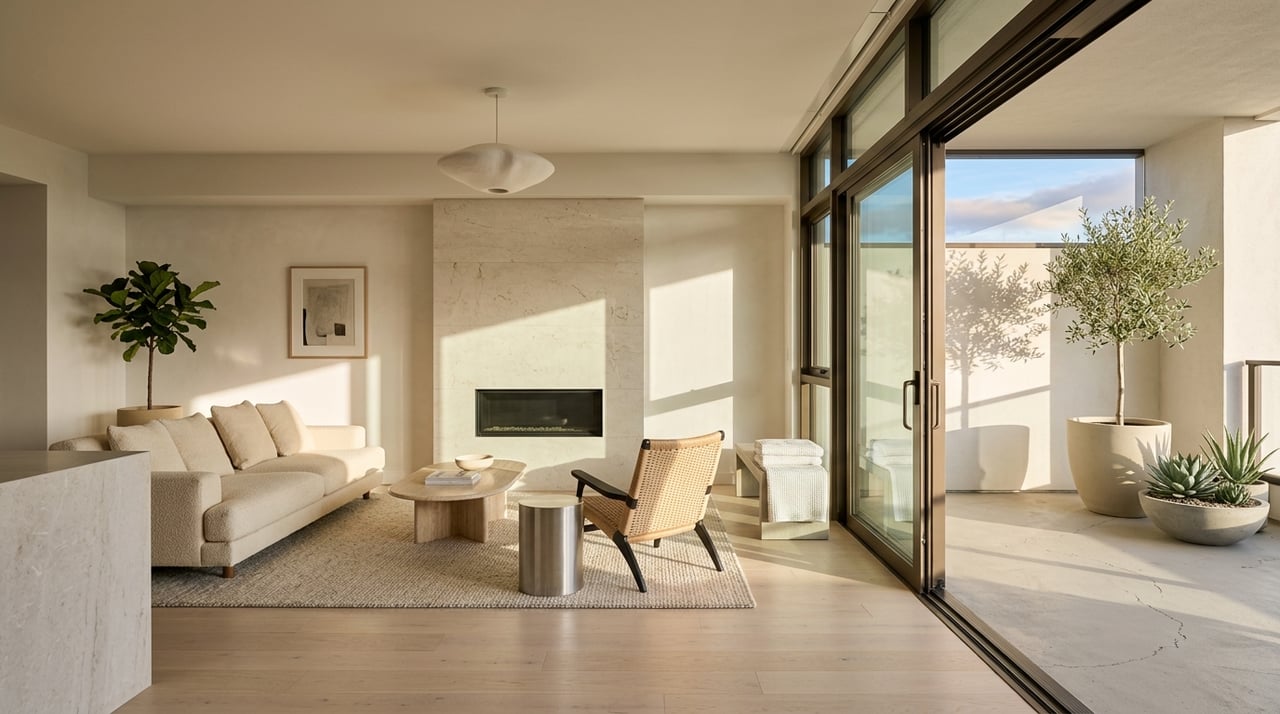
Designing A Turnkey Oceanside Beach Rental
Looking at an Oceanside property and wondering if it could become a truly turnkey beach rental, not just a furnished unit with nice photos? That is the right question to ask. In a market with strong visitor demand and specific local rules, the homes that perform best are usually the ones designed for real guest use, easier upkeep, and day-to-day compliance from the start. Let’s dive in.
Oceanside has the tourism base to support a design-led furnished rental approach. Visit Oceanside reports $625 million in 2024 travel-related spending, 1.1 million overnight visitors, and an average stay of 3.4 nights. That kind of demand matters if you are thinking about creating a stay that feels polished, convenient, and ready to book.
The city is also working to spread demand beyond summer and weekends. That can make a well-planned rental more appealing across peak and shoulder seasons, especially if your property feels comfortable for short stays year-round. In practical terms, design is not just about style here. It is part of the product.
Oceanside’s visitor identity supports that idea. The city is known for wide sandy beaches, the historic pier, the harbor, bungalow neighborhoods, and a walkable downtown. A rental that reflects that easy coastal lifestyle, while still being durable and operationally sound, is more aligned with what guests already expect.
Before you spend on furniture, finishes, or a renovation plan, confirm that the property is actually eligible for the use you want. Oceanside defines a short-term rental as a legally permitted dwelling unit, or part of one, rented for no more than 30 consecutive days. The city directs owners to obtain a Transient Occupancy Tax certificate first, then go through planning review to determine whether an STR permit is required.
The city currently lists a $250 annual permit fee and a $215 inspection fee at initial application and at least every three years after that. STR permits must be renewed annually. If a property manager will operate the home for you, Oceanside also requires a Property Management Agreement.
This part is especially important for investors. Oceanside states that new non-hosted STRs were prohibited outside the Coastal Zone as of February 10, 2024. The city also notes that there is no guarantee that new permits will be approved or existing permits renewed.
Because city guidance on hosted-unit treatment is not perfectly aligned across pages, the safest move is to verify current eligibility directly with Oceanside staff before you furnish the home. You should also know that permits are non-transferable. If the property is in an HOA, private CC&Rs may impose stricter rules than the city.
A turnkey rental should be financially turnkey too. In Oceanside, the Transient Occupancy Tax is 10% of rent, and the OTMD assessment is 1.5% of room rental revenue. The city also treats some guest-facing charges as taxable room revenue, so your pricing structure should be reviewed carefully before launch.
That matters because a beach rental often includes extra conveniences like cleaning support, beach gear, or bundled amenities. If you are planning a polished guest experience, you want the numbers to work on the front end. A beautiful setup can lose margin quickly if fees and remittance rules are not baked into the operating plan.
One of the biggest mistakes in a beach rental is designing for photo appeal instead of legal use. Oceanside limits occupancy to two adults per bedroom plus two people per unit. The city also gives a specific definition of what counts as a bedroom, including a private room with a bed, door, window, emergency escape or rescue opening, and closet or storage nook, plus bathroom access that does not require crossing another bedroom.
That means your layout should focus on true bedrooms, clear circulation, and practical storage. A den may look flexible in marketing, but it should not be treated like a legal sleeping room if it does not meet the city’s definition. The smarter play is to make each legal bedroom work harder and make the rest of the home easier to use.
In a turnkey Oceanside rental, that often means including:
These choices may sound simple, but they shape the guest experience in a big way. They also make cleaning faster between stays.
Beach-adjacent properties need materials that can handle moisture, salt air, and heavier wear. FEMA guidance on coastal construction notes that coastal buildings are vulnerable to corrosion, moisture-related decay, and termite damage. It also states that metal corrosion is most pronounced within 3,000 feet of the ocean.
For a turnkey rental, that points to a practical design strategy. Use materials and hardware that are easier to maintain, less delicate, and more forgiving under frequent turnover. Good design in Oceanside should look elevated, but it should also survive the environment.
Smart material choices can include:
The goal is not to make the home feel basic. It is to make it feel refined and resilient. That balance is where design-led rentals tend to outperform over time.
Not every beautiful piece belongs in a short-term rental. In a beach market, soft goods take a beating from sunscreen, damp towels, sand, and frequent cleaning. Performance fabrics can make a major difference in both upkeep and long-term presentation.
Sunbrella notes that its performance fabrics are easy to clean and resistant to stains, water, fading, mold, and mildew. Crypton also describes its residential performance fabric as stain-resistant, odor-resistant, and easy to clean. For a furnished Oceanside rental, those features are highly relevant.
Focus on high-touch pieces first:
You want the home to photograph well, but also to recover quickly after each stay. That is what makes it feel consistently turnkey, not just well-styled on day one.
In Oceanside, competitive rentals are not just furnished. They are packaged for short stays in a way that feels complete. A Visit Oceanside feature on a boutique vacation-rental property highlighted one- to four-bedroom units, full kitchens, modern coastal design, beach gear, and outdoor gathering spaces.
That gives you a useful local benchmark. Guests are already seeing rentals that feel ready to use from the moment they arrive. If your property lacks the basics of that experience, it may feel under-delivered even if the home itself is attractive.
A strong amenity bundle often includes:
This does not mean overfurnishing the home. In fact, the best beach rentals often feel edited and easy. Guests want comfort, function, and a sense of place.
In Oceanside, operations are not separate from the product. The city’s Good Neighbor Policy requires a 24/7 contact, exterior posting of the permit and TOT number, a 60-minute complaint response time, no visible trash, on-site parking when available, and a two-night minimum stay. The city also restricts noise between 10 p.m. and 10 a.m.
That means your rental has to be designed around responsiveness and easy maintenance. If the home is hard to inspect, slow to clean, or missing clear systems, guest issues can turn into compliance issues. Verified complaints can trigger formal enforcement, so a seamless back-end plan protects both revenue and peace of mind.
Oceanside’s self-inspection guidance also reinforces that safety and housekeeping are core parts of the setup. The city calls for visible address numbers, a 24/7 contact placard, smoke and carbon monoxide alarms in required locations, compliant egress hardware, a mounted fire extinguisher, and other electrical and housekeeping checks.
A true turnkey beach rental needs a repeatable turnover plan. Coastal conditions can wear down materials faster, and beach stays create their own cleaning patterns. Sand, moisture, and salt air all add pressure to the operation.
A practical system should include:
Smart noise-monitoring devices can also help operators respond before a noise issue grows. In a city with clear complaint-response expectations, prevention matters.
The most successful Oceanside beach rentals usually share the same core traits. They are legally compliant, thoughtfully furnished, easy to clean, built with coastal wear in mind, and supported by a real operations plan. That is what makes the experience feel easy for guests and manageable for owners.
If you are evaluating a property in Oceanside, the real question is not just whether it can be furnished. It is whether it can be productized into a rental that works visually, financially, and operationally. That is where a design-forward, full-service approach can create real value.
If you want help evaluating a property, planning a guest-ready layout, or turning a coastal home into a more polished rental asset, Laura Valente offers a boutique, design-led approach that connects real estate strategy, interior planning, and hands-on property management support.



We pride ourselves in providing personalized solutions that bring our clients closer to their dream properties and enhance their long-term wealth. Contact us today to find out how we can be of assistance to you!