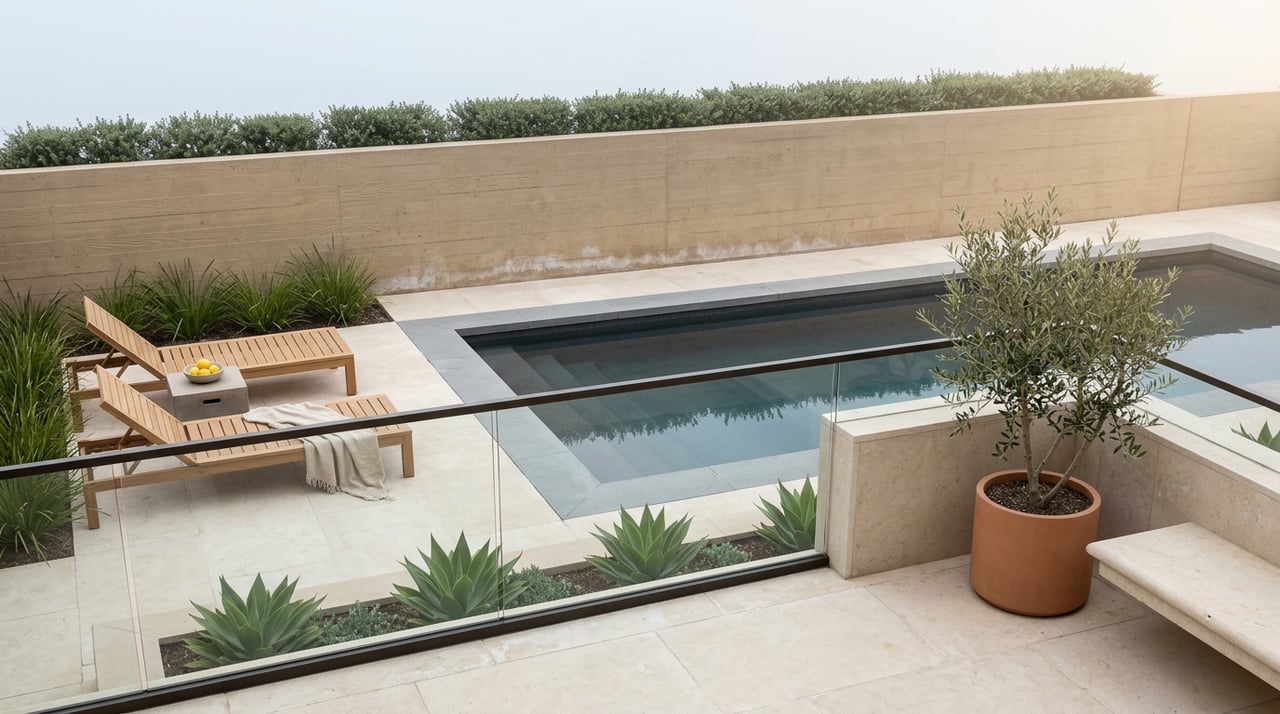
Are you wondering which updates will actually move the needle on your La Jolla home sale? In a coastal luxury market, buyers pay for light, views, and a turnkey lifestyle. You do not need a full remodel to compete. You need a focused, design-first plan that highlights your home’s strengths and removes distractions. In this guide, you’ll learn what to prioritize, how to budget, and when permits matter so you can go to market with confidence. Let’s dive in.
Why La Jolla listings need a design lens
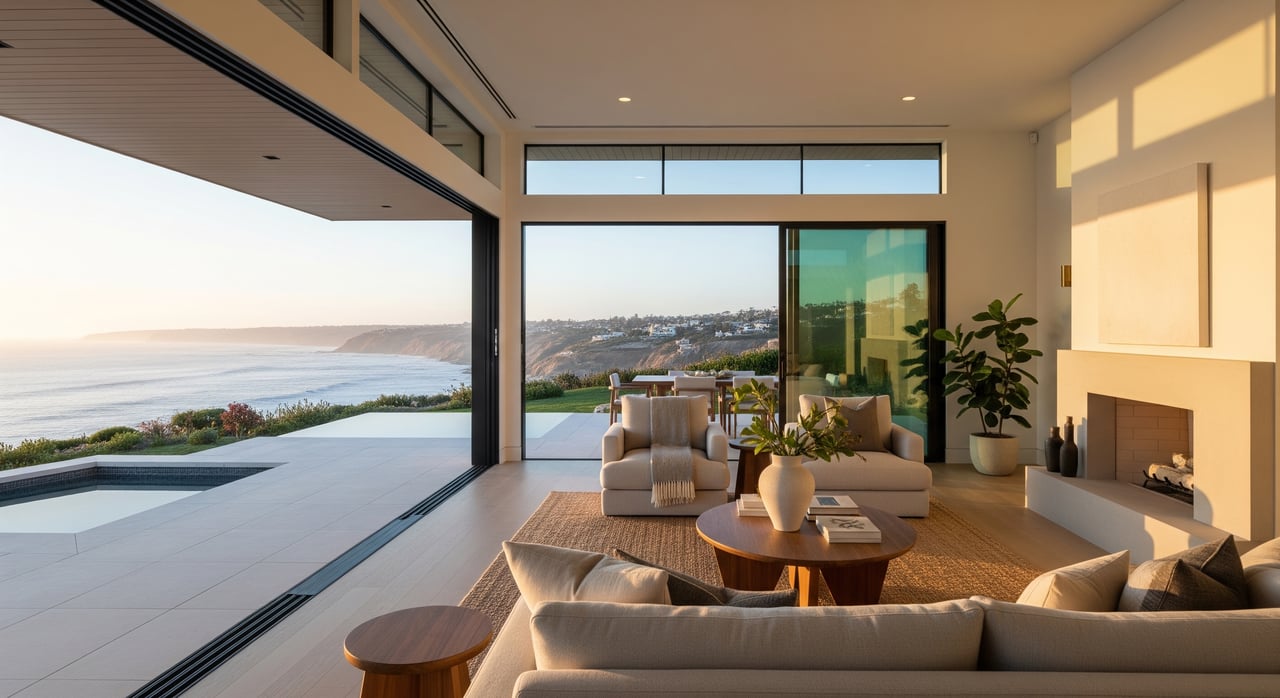
La Jolla buyers expect high-quality finishes, indoor–outdoor flow, and privacy. Many are relocation or second-home buyers who shop online first, so your photos and video must communicate lifestyle in seconds. Inventory often skews to the upper tier, which raises the bar for presentation.
The coast shapes material choices. Salt air, humidity, and sun accelerate wear, so select finishes that perform near the ocean. If you are planning exterior or structural changes close to the shoreline, review guidance from the California Coastal Commission. Many projects also require permits through City of San Diego Development Services. Some buildings and neighborhoods have HOA or historic rules that limit changes, so confirm before you schedule work.
Market conditions shift. If you want a quick pulse on pricing, months of inventory, or days on market, consult the California Association of Realtors market data for current regional trends.
High-impact updates that sell lifestyle
You can create a meaningful lift with a few targeted updates that photograph beautifully and speak to coastal living.
Quick wins that elevate photos
- Repaint in a neutral, coastal-appropriate palette. Warm whites and light grays let sunlight bounce and keep the focus on views.
- Declutter and depersonalize. Remove visual noise so buyers can picture their life in the home.
- Deep clean all glass and polish hardware. Crystal-clear windows and spotless metals elevate every image.
- Refresh lighting. Replace mismatched fixtures, add dimmers in living areas, and swap in consistent, warm LED bulbs.
These changes are budget friendly and make your listing media shine, which is your first showing for many buyers.
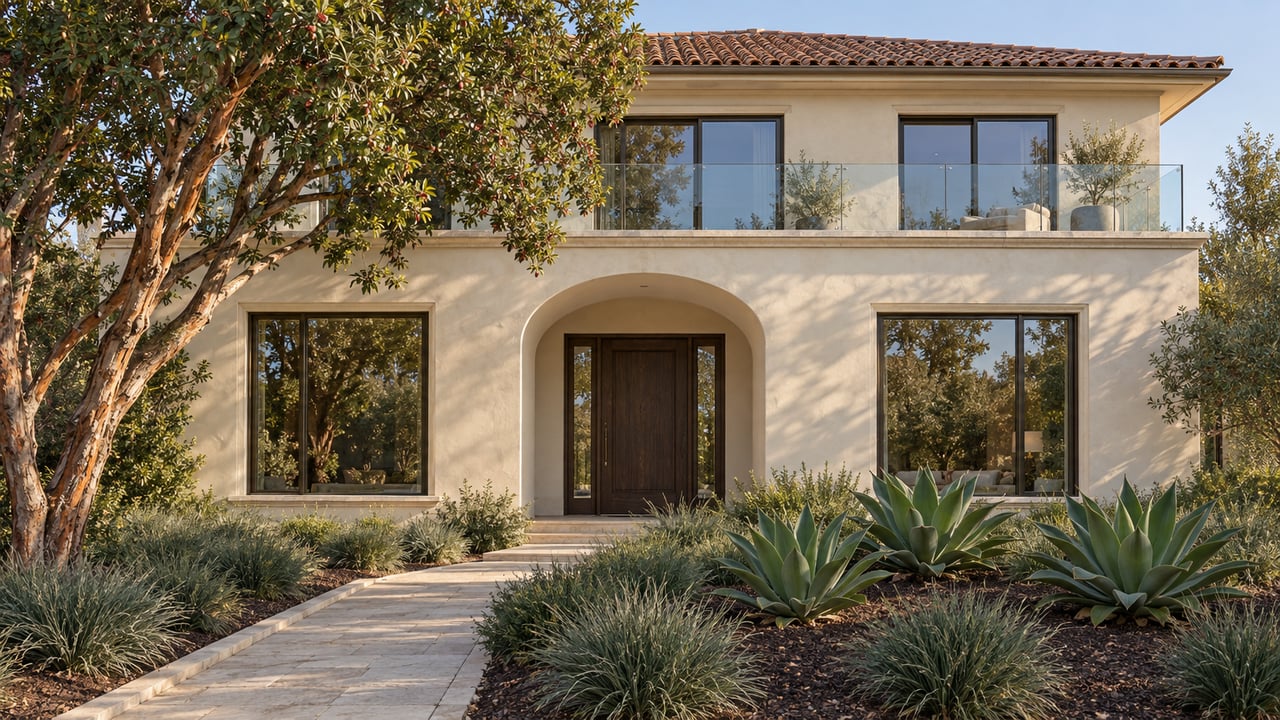
Curb appeal built for the coast
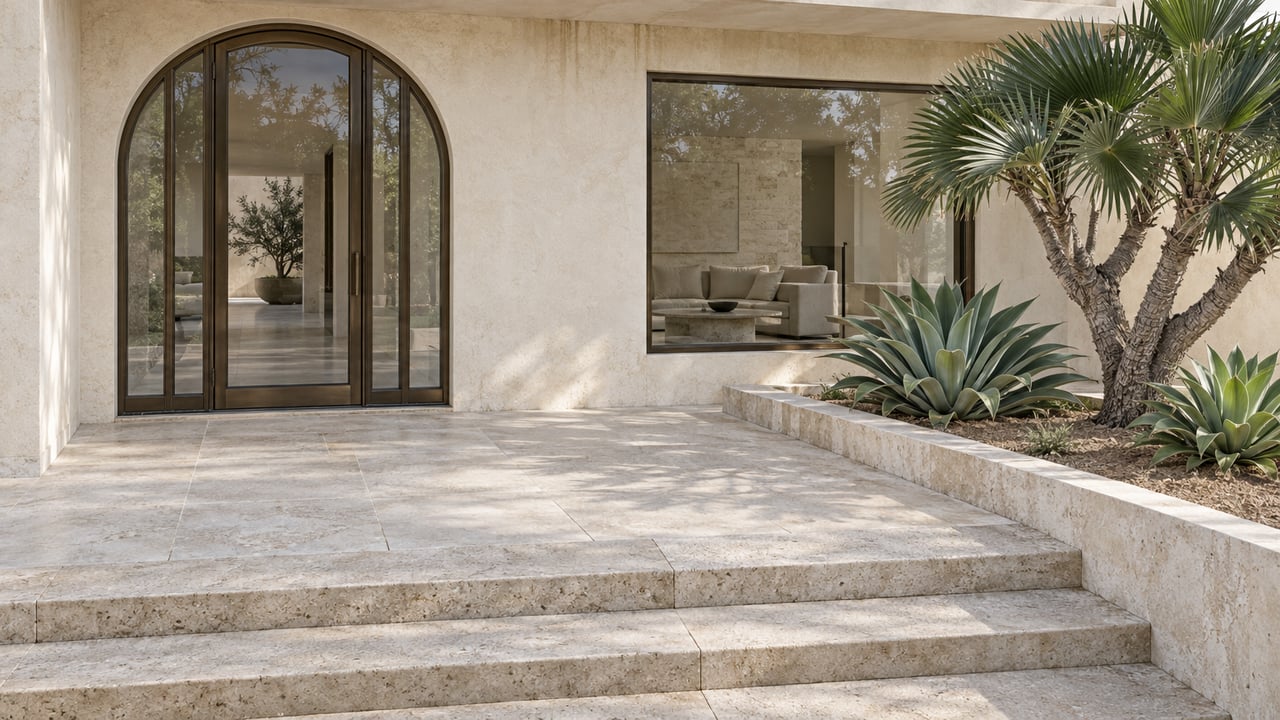
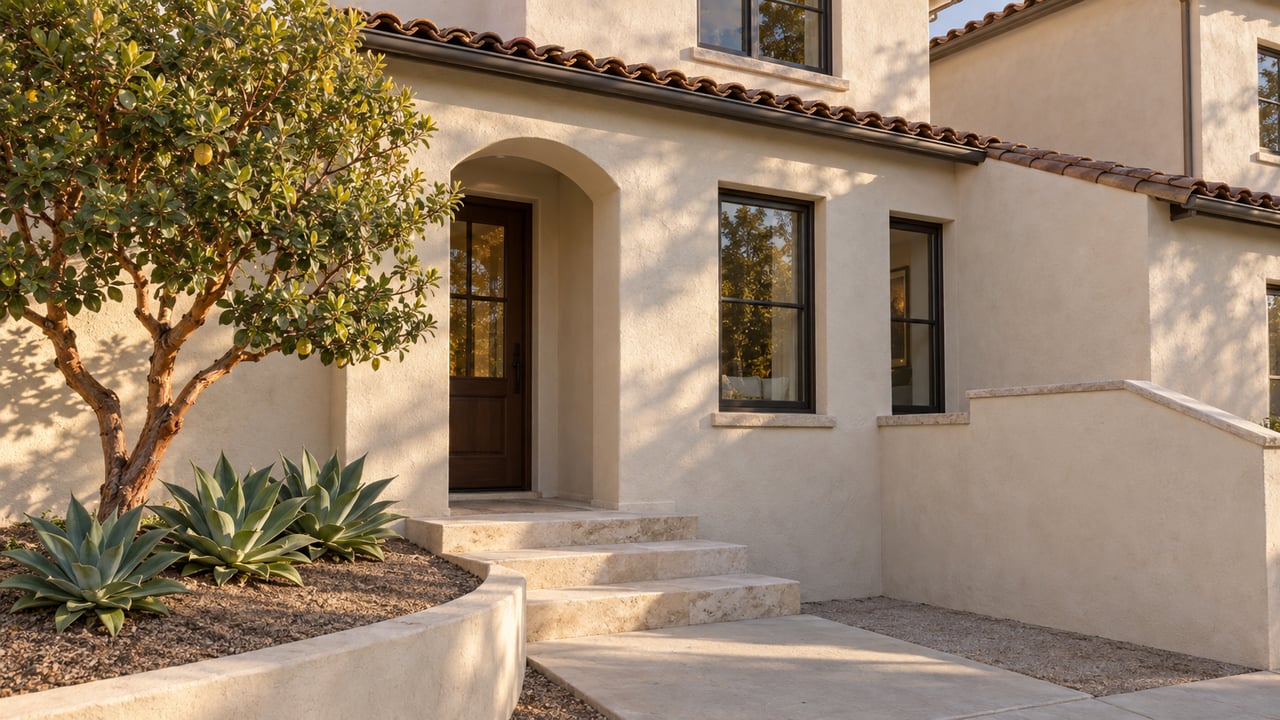
- Pressure wash walkways and entry steps. A bright, clean approach sets the tone.
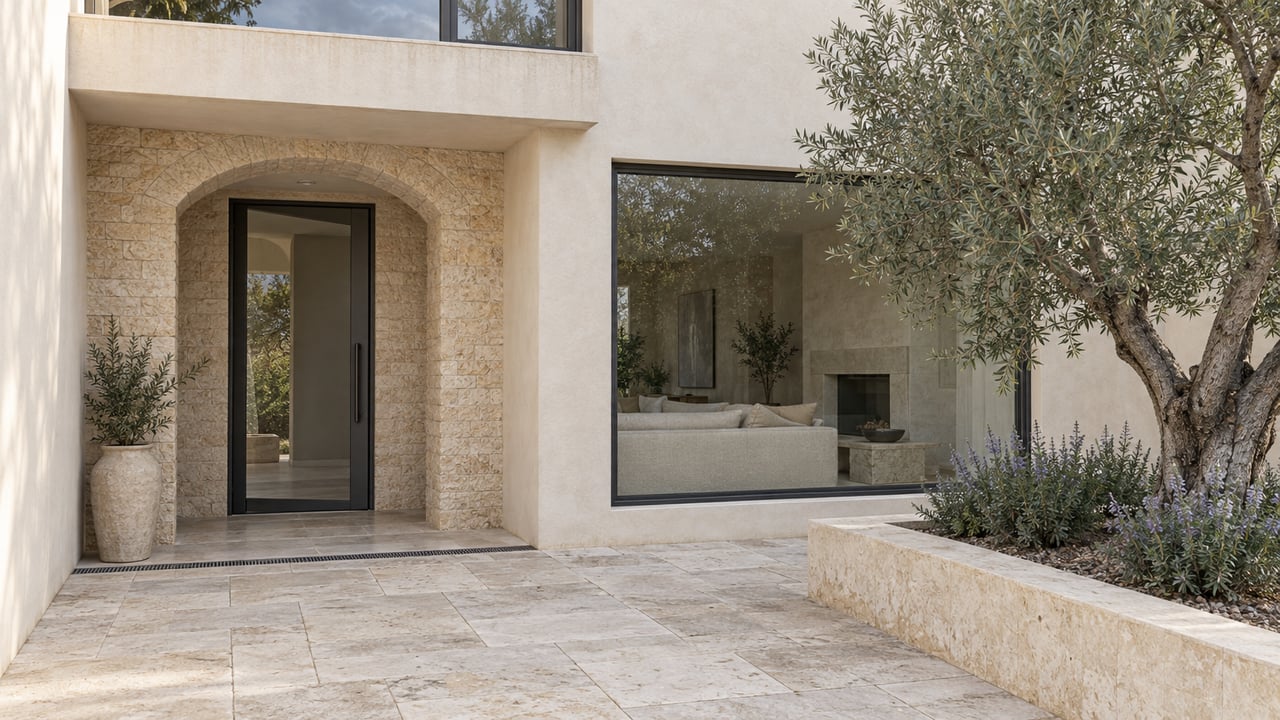
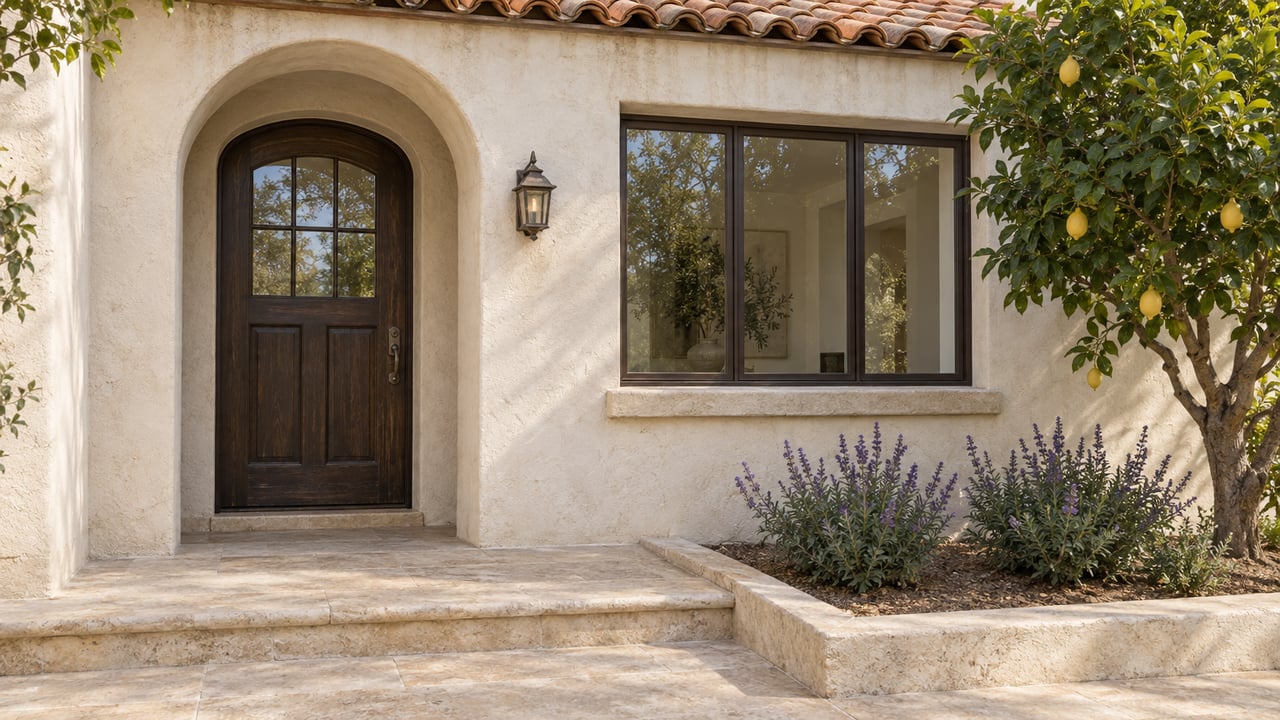
- Trim and tidy existing landscaping. Add potted plants to frame the entry and create a simple focal point.
- Choose drought‑tolerant, low‑maintenance species. Prioritize plants that handle wind, salt, and sun.
- Verify exterior metals and fasteners are corrosion resistant. Stainless steel or powder‑coated aluminum help prevent rapid deterioration.
Light, views, and sightlines
- Remove heavy or dark window treatments. Use motorized shades or simple linen sheers to soften light and maintain privacy.
- Reorient furniture to frame view lines. Keep seating low near windows and clear the path to patios.
- Use layered lighting. Combine ceiling lights, sconces, and lamps to create a warm, evening-ready atmosphere.
Mid-range upgrades with strong appeal
If the basics are covered, move to targeted updates that boost perceived value without heavy renovation.
Kitchen refresh without a gut remodel
- Paint or refinish cabinets in a light, neutral tone. Update hardware to a unified finish.
- Replace worn counters with quartz for durability and easy upkeep.
- Add a simple, modern backsplash and task lighting. Keep the look clean and timeless.
A thoughtful refresh is often faster and more cost-effective than a full redo while still signaling quality.
Bathrooms that feel like a spa
- Regrout and recaulk. Small details make tile look new.
- Replace dated vanities or tops. Choose simple stone or porcelain surfaces.
- Upgrade mirrors, lighting, and fixtures for a crisp finish.
The primary bath is a decision maker in luxury markets. Keep the palette neutral and calming.
Floors and window treatments
- Repair or replace worn flooring. Wide‑plank hardwood, quality engineered wood, or large‑format porcelain tile work well in coastal homes.
- Streamline window coverings. Favor motorized shades in living spaces and neutral fabrics in bedrooms.
Outdoor living that tells a story
- Refresh decking and reseal. Update railings where needed for safety and clarity of view.
- Define an entertaining zone. Stage conversational seating and a dining area to show capacity.
- Keep view lines open. Clip hedges and relocate tall planters so the ocean or canyon outlook takes center stage.
When big investments make sense
Large projects can pay off when your home lags behind comparable properties or when specific features matter at your price point.
Full remodels and structural changes
A full kitchen remodel or wall removal can transform flow and light, but timelines and permits can be significant. If you plan to sell soon, consider whether a targeted refresh achieves most of the impact with less cost and less delay.
Coastal durability upgrades
Marine‑grade fasteners, corrosion‑resistant exterior hardware, and salt‑tolerant finishes protect value and reduce inspection concerns. These upgrades are especially useful on balconies, railings, and ocean‑facing doors and windows.
Pools and outdoor kitchens
High‑end outdoor features can be strong draws in the luxury tier. Align scope with neighborhood standards and buyer expectations. If a major project will push your timeline well beyond peak selling season, weigh the tradeoffs carefully.
Smart tech, sustainability, and security
Buyers increasingly value quiet tech that works in the background.
- Integrate smart lighting, thermostats, and motorized shades. Subtle convenience reads as luxury.
- Highlight energy‑efficient systems like tankless water heaters or upgraded HVAC. Keep documentation handy for showings.
- Add privacy landscaping and updated security systems. Discretion and safety are common priorities for high‑net‑worth buyers.
Stage the story buyers want
Staging is about lifestyle. It helps buyers understand how to live in the home and justifies your price point. Industry research from the National Association of Realtors shows staging can influence buyer perception and market time. Explore their latest insights in the NAR Profile of Home Staging.
Room‑by‑room priorities
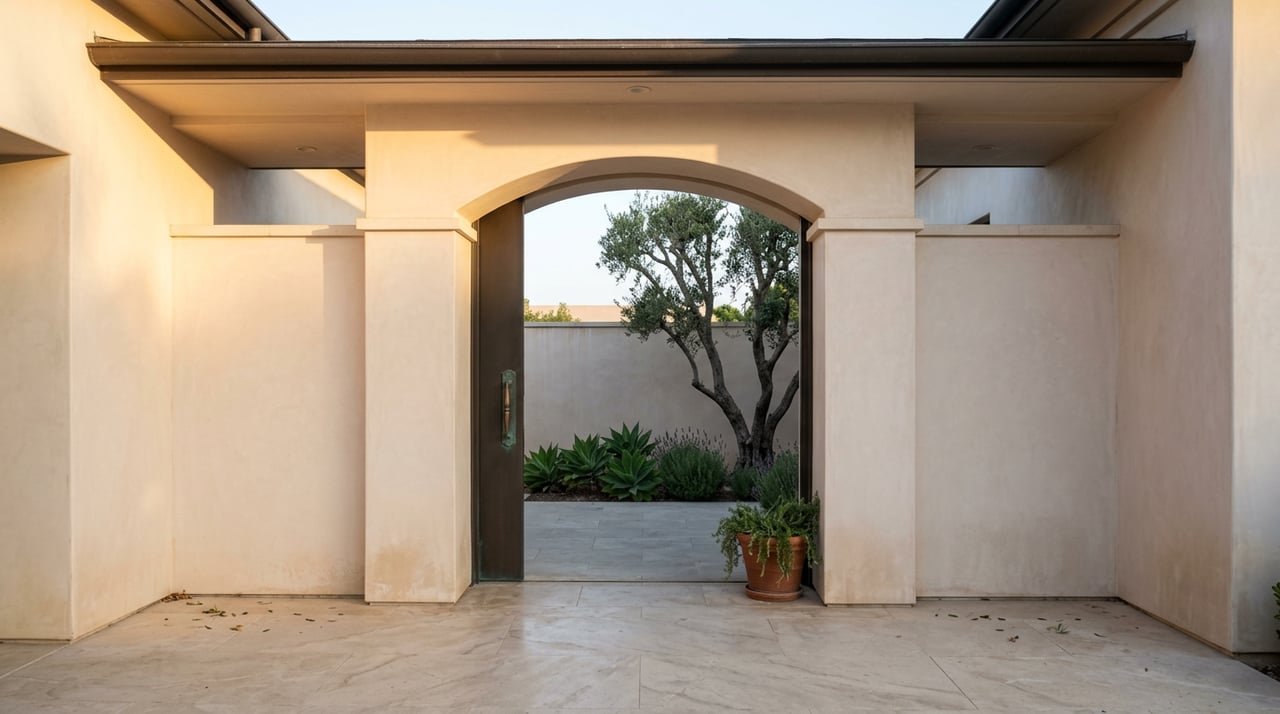
- Entry: Create a simple arrival moment with clear sightlines to a focal point or view.
- Living spaces: Right‑size furniture and angle seating to frame the outlook and conversation.
- Kitchen: Keep counters mostly clear. Style with a few organic touches like fresh flowers or a bowl of citrus.
- Primary suite: Use neutral linens and a bench or lounge chair to emphasize comfort and calm.
- Outdoor areas: Stage a coherent conversation set and dining zone. Highlight fire features or pool seating in photos.
- Baths: Crisp white towels, clear counters, and spotless shower glass read as luxury.
Photos, video, and tours
- Schedule professional photography with daylight, twilight, and aerial images where allowed.
- Use video and short lifestyle clips to show indoor–outdoor flow.
- Consider virtual staging for vacant rooms and disclose edits. Physical staging often conveys texture better in luxury listings.
- Add a measured floor plan and 3D tour to support remote and out‑of‑area buyers.
Your decision framework and timeline
A clear plan keeps you on schedule and on budget while matching local buyer expectations.
Compare to local comps
- Step 1: Gather 3 to 5 active, pending, and recent sales in your micro‑area and price tier. Note finishes, outdoor features, and photo quality.
- Step 2: Walk your home with your agent and, if possible, a designer or stager. Build a ranked to‑do list that closes the gap between your home and the best comps.
Priority checklist
- Safety and function: Roof, HVAC, plumbing, electrical, and structural items come first.
- Visual basics: Paint, flooring repairs, lighting, window and glass cleaning, and landscaping.
- Kitchen and baths: If significantly dated relative to comps, plan a focused refresh.
- Views and outdoor flow: Clean windows and doors, repair decking or railings, trim landscaping.
Budget tiers and where they fit
- Low budget, roughly under $5,000 to $10,000: Paint, hardware, lighting bulbs, landscaping touch‑ups, deep cleaning, minor fixes, and light staging accessories.
- Mid budget, roughly $10,000 to $50,000: Kitchen and bath refreshes, flooring repair or partial replacement, professional staging, exterior power‑wash and planters.
- High budget, $50,000 and up: Full kitchen or bath remodels, major outdoor living upgrades, and structural changes with permits.
For broader context on project payback trends, review the national and regional data in the Remodeling Cost vs. Value Report. Local costs vary, so get bids from licensed contractors.
Typical prep timeline
- Initial assessment and comp analysis: about 1 week
- Cosmetic updates and staging: 1 to 3 weeks
- Kitchen and bath refreshes: 3 to 8 weeks depending on labor and lead times
- Full remodels: several months, plus permitting
- Media and launch: Stage 3 to 7 days before the photo shoot, then publish once assets are complete
Permits and contractors
Use licensed pros who understand coastal conditions and local rules. Check references, insurance, and permit history. Confirm whether exterior work or structural changes require approvals through City of San Diego Development Services or the California Coastal Commission. Permits can add weeks to months, so plan early.
Before‑and‑after ideas you can copy
- Sightline upgrade: Before, a sofa backs to the window and blocks the ocean peek. After, seating is lowered and rotated, drapery is replaced with sheers, and the view becomes the focal point.
- Indoor–outdoor flow: Before, a crowded patio and weathered deck read as small. After, the deck is repaired and staged with a conversation set and dining table, creating a clear entertaining zone.
- Brighten and neutralize: Before, dark paint and mixed fixtures make rooms feel busy. After, a neutral repaint, unified hardware, and warm bulbs create a cohesive, calm look.
Work with a design‑led team
A successful La Jolla sale is part design plan, part logistics, and part market strategy. With a boutique, senior‑agent model, you get direct guidance and a streamlined process that keeps your home on timeline and on brand for the coastal luxury buyer.
Here is how a typical engagement flows:
- Strategy session: We tour your property, review comps, and map a design‑first scope.
- AutoCAD planning and selections: We produce layout tweaks, a light materials palette, and a staging plan sized to your home.
- Project management: We coordinate licensed pros, track timelines, and keep you informed.
- Launch: We stage, capture premium photo and video, and go live with a lifestyle‑driven campaign.
Ready to maximize your La Jolla sale with smart, design‑led updates? Connect with Laura Valente to get a tailored plan and an on‑point, market‑ready presentation.
FAQs
What are the most cost‑effective updates before selling a La Jolla home?
- Start with paint, decluttering, window and glass cleaning, lighting consistency, and light landscaping to boost photos and first impressions.
Do I need a permit for exterior changes near the coast in San Diego?
- Many exterior or structural projects near the shoreline require approvals through City Development Services and the California Coastal Commission, so verify early.
Which materials hold up best to La Jolla’s coastal conditions?
- Favor corrosion‑resistant metals, porcelain or stone for wet areas, engineered or high‑quality wide‑plank wood inside, and UV‑resistant fabrics outside.
Is professional staging worth it for a luxury La Jolla listing?
- Yes. Staging helps buyers visualize lifestyle and can support stronger pricing and faster interest, especially when paired with premium photography.
How long does it take to prep a La Jolla home for sale?
- Cosmetic updates and staging often take 1 to 3 weeks, mid‑range refreshes 3 to 8 weeks, and larger remodels several months plus permitting.
Should I do a full kitchen remodel before selling my La Jolla house?
- Only if your kitchen is far behind comparable listings and you have the timeline; many sellers achieve strong results with a targeted refresh instead.