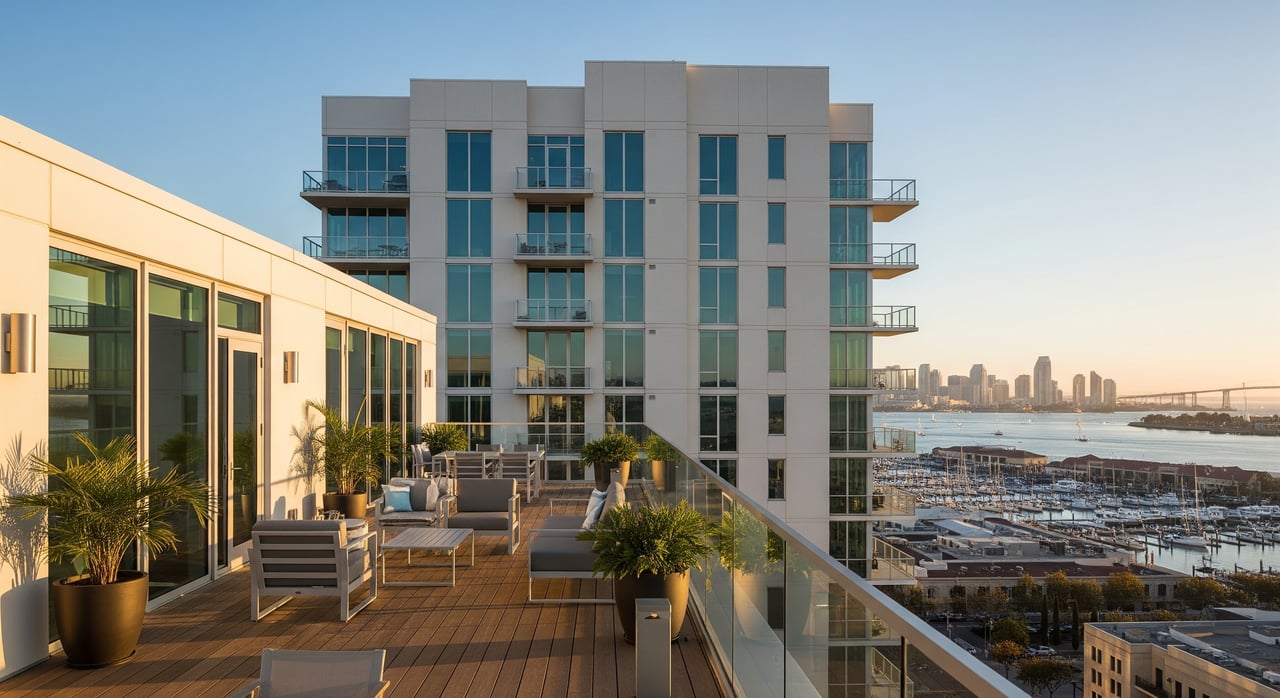
Downtown San Diego STR Rules & Condo Investor Guide
Thinking about buying a downtown San Diego condo to run as a short-term rental? The opportunity is real, but the rules are detailed and the building you choose can make or break your plan. You want clear guidance so you can invest with confidence and avoid costly surprises.
In this guide, you will learn how the City of San Diego regulates STRs, how HOA policies shape what is possible in each building, which downtown neighborhoods drive demand, and the exact due diligence steps to take before you write an offer. You will also get a simple compliance checklist and practical tips to protect your revenue. Let’s dive in.
Downtown properties fall under the City of San Diego’s short-term rental framework. That means you should expect a formal city registration or permit, a business license or tax certificate, and a registration number that you display in listings and guest messaging.
Short stays are typically subject to Transient Occupancy Tax. Some platforms may collect and remit this tax in certain jurisdictions, but coverage varies. Do not assume platform remittance covers all obligations. You still need to confirm registration and reporting steps.
Zoning and land-use rules can limit STRs in specific areas, and many cities set priority or limits for primary-residence hosting. Confirm whether non-owner investment properties can operate as STRs based on current San Diego guidance. Expect safety, noise, trash, guest behavior, and local contact requirements.
Enforcement is often complaint-driven. Repeated violations can lead to fines, suspension, or removal from platforms. Keep documents current and respond quickly to complaints.
Downtown San Diego includes Gaslamp Quarter, East Village near Petco Park, Columbia and the Embarcadero, the Core and Financial District, Cortez Hill, Little Italy to the north, and the Marina District. These areas draw travelers for the Convention Center, Padres games, the USS Midway, nightlife, dining, and waterfront attractions.
Demand is relatively steady year-round, with summer and major events producing spikes. Conventions can add weekday and longer bookings, while weekends often lean leisure. Evaluate expected occupancy and pricing with reputable STR market data before you commit.
The most decisive factor is the building’s HOA. In many downtown condo buildings, the HOA can prohibit or restrict STRs even when city rules allow them. Always treat the HOA’s governing documents as the gatekeeper.
Mixed-use and live-work lofts may have different allowances and operating expectations than typical residential condos. Purpose-built apartment buildings usually prohibit STRs via their leases. Boutique hotels and SRO properties follow hotel-style rules instead of condo rules. Historic properties may have added preservation or permitting steps.
Before you open escrow, collect and confirm the details that shape feasibility and returns:
Once you own the property, create a clean compliance baseline before you host your first guest:
Keep registrations current and file required tax returns on time. Maintain accurate records for bookings, payouts, taxes, maintenance, and any incident reports.
Respond quickly to neighbor concerns and document resolutions. Monitor HOA rule updates and attend meetings when possible so you can anticipate changes and plan accordingly.
Downtown can produce strong occupancy and pricing around conventions, games, and the summer season. Still, build conservative pro formas. Account for platform commissions, cleaning and linen service, restocking and utilities, vacancy between stays, and property management fees if you do not self-manage.
Factor in the impact of TOT and local business taxes on net revenue. Budget for one-time upgrades to meet building requirements, like access systems, sound mitigation, or signage. Include a contingency for legal or consulting costs if you need help with HOA or city filings.
Buildings with concierge service, secure access, elevators, parking, and solid sound insulation can attract higher-value guests. Align your house rules with the HOA’s policies and post clear guidance that prevents noise or misuse of common areas. Good communication reduces complaints and protects your permit and reputation.
You can self-manage or hire a local STR management company that knows San Diego rules. A specialized manager can handle guest screening, check-in coordination, cleaning, compliance filings, and rapid response to issues. Management fees vary by provider, so include them in your financial model.
Ask listing agents to provide the HOA’s short-term rental policy with the disclosures. Request CC&Rs and house rules early and read them closely. If needed, seek written confirmation from the HOA or property manager.
Work with a broker who understands investment condos and downtown San Diego, and consider counsel from a local real estate or HOA attorney. Attending HOA meetings or reviewing recent minutes can reveal pending rule changes.
If you want a turnkey path from acquisition to activation, partner with a team that combines brokerage, interior design, project management, and short-term rental operations. With design-led planning and coordinated management, you can present a polished guest experience, reduce complaints, and protect your income.
If you are evaluating a downtown San Diego condo for STR use, reach out to Laura Valente for a consult on building fit, compliance steps, and a clear plan to launch and manage your rental with confidence.







We pride ourselves in providing personalized solutions that bring our clients closer to their dream properties and enhance their long-term wealth. Contact us today to find out how we can be of assistance to you!