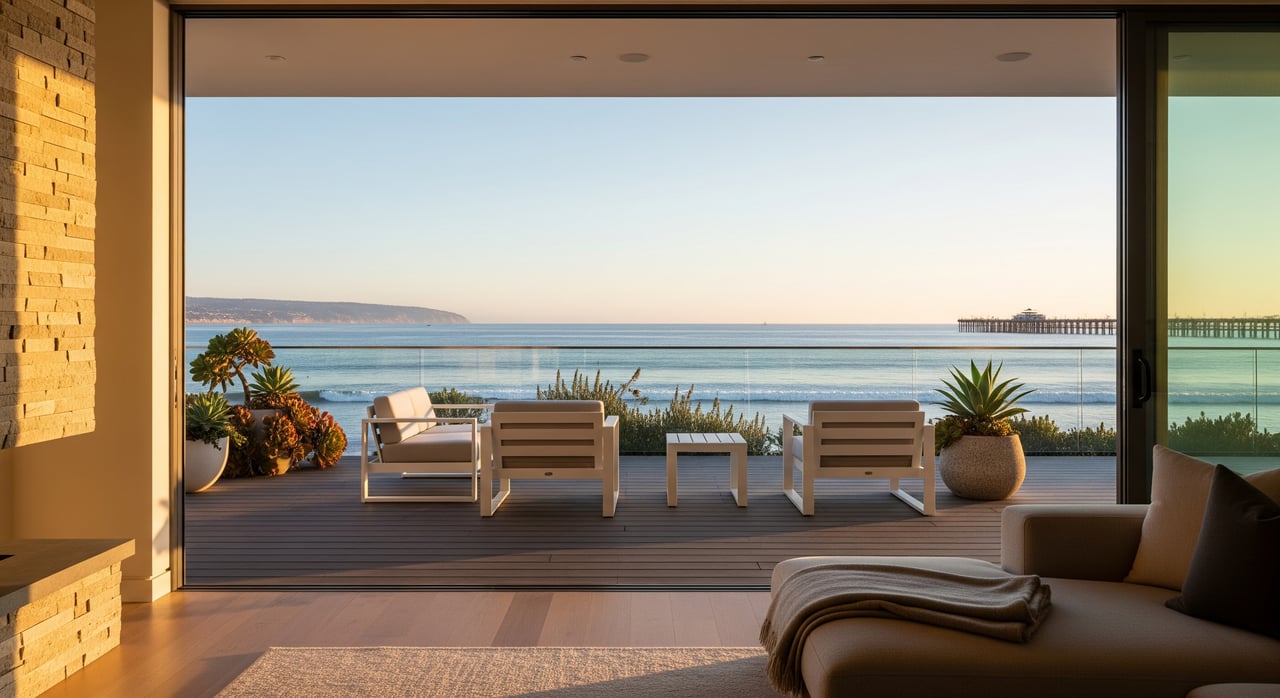
Living Near the Oceanside Pier: Lifestyle, Condos, Access
Picture yourself stepping out for coffee, strolling the strand to the Oceanside Pier, and catching a sunset without getting in your car. If you love a lively coastal scene and easy access to sand, dining, and transit, the pier district might be a great fit. At the same time, living close to a major landmark brings unique condo, parking, and seasonal considerations. In this guide, you’ll learn what daily life feels like near the Oceanside Pier, what to know about condos and HOAs, how access and transit work, and the key checklists that help you buy or sell with confidence. Let’s dive in.
Living near the pier puts you steps from restaurants, coffee shops, small retailers, and the downtown Sunset Market on select evenings. You get direct access to surfing, fishing from the pier, paddleboarding, harbor boating, and waterfront walks along a beautiful stretch of coast.
Activity levels change throughout the day and by season. Families and beachgoers frequent the area by day, while visitors and nightlife pick up in the evening. Summer and holiday weekends bring more foot traffic, photo ops, and occasional noise. If you enjoy energy and convenience, the benefits often outweigh the bustle.
Nearby attractions include the beachfront, Oceanside Harbor, the California Surf Museum, and a growing dining and brewery scene along North Coast Highway and Mission Avenue. With the Oceanside Transit Center close by, you can connect to regional rail and buses without driving.
You’ll find a wide mix of buildings and floor plans in the downtown and pier area.
Many buildings date to the mid-20th century, and you’ll also see renovated properties and newer infill. Older buildings can offer character, but they often require more coastal-specific maintenance. If ocean views are a priority, expect a premium compared with similar units a few blocks inland.
HOA dues often reflect the realities of salt air and marine conditions. Common expenses include corrosion control, exterior coatings, balcony and deck work, elevator upkeep, robust insurance, and reserve funding. Oceanfront complexes with direct beach access typically carry higher dues.
Before you buy, review HOA documents in depth. Focus on reserve studies, recent special assessments, litigation history, insurance coverage and deductibles, rental rules, and pet policies. Many coastal HOAs also have stricter maintenance standards to protect the building envelope against moisture and corrosion.
Coastal condominiums deserve a careful building and unit evaluation. Ask your inspector to emphasize the following:
If the building is older or shows visible deterioration, consider a structural engineer’s opinion in addition to a coastal-experienced inspector.
Short-term rental demand near the water is often strong, but you need to confirm rules at both the city and HOA level. Registration, safety standards, and transient occupancy tax requirements may apply. Some associations restrict or prohibit short stays, while others allow them under specific conditions.
Longer-term rentals benefit from the area’s commuter access to regional job centers and rail links. Cap rates and occupancy can be seasonal, so model conservative scenarios if you plan to rent part-time.
The pier district is highly walkable and bike friendly. Daily errands, dining, and recreation are often a short stroll or ride. Bike lanes and coastal paths make it easy to get around without a car for nearby trips.
For regional travel, the Oceanside Transit Center connects you to Amtrak Pacific Surfliner, the COASTER commuter rail, and local buses. This makes commuting to downtown San Diego or heading north to Carlsbad and Encinitas feasible without driving. Interstate 5 provides quick north-south access, though coastal roads can slow during peak tourism periods.
Street parking near the pier is commonly metered with time limits. On weekends, during events, and in summer, expect tighter availability.
Proximity to the ocean means exposure to wave-driven flooding, storm surge, and long-term sea-level rise. These risks vary block by block based on elevation and distance to the shoreline or harbor entrances. Many buyers use federal flood maps and sea-level visualization tools to understand current and future conditions.
Insurance and financing can reflect the coastal setting. Separate flood insurance may be required by lenders or advisable even outside mapped flood zones. Property insurance near the water can carry higher premiums or deductibles due to corrosion and storm exposure. Earthquake coverage is optional but commonly considered in Southern California. Lenders will evaluate insurance availability and cost during underwriting.
Salt air accelerates wear on exterior metals, coatings, and mechanical systems. Plan for more frequent exterior painting, metal replacement, and HVAC service. In condos, healthy HOA reserves are essential for big-ticket projects such as balcony rehabilitation or building envelope repairs. Some buildings use specialized mitigation, like upgraded sealants or corrosion control, to extend lifespan.
If you love a clean, contemporary look, a thoughtful design plan can add durability and value. Material choices, ventilation improvements, and storage solutions tailored to beach living can keep your unit low maintenance and market-ready.
Tourist areas can see more petty theft and vehicle break-ins. As with any busy destination, basic precautions help. Use secure parking where available, lock vehicles, and keep beach gear stored out of sight or in lockable areas. If safety is a priority, review local reports and mapping tools to understand recent trends.
If you want a walkable, water-focused lifestyle with restaurants, events, and rail access nearby, the Oceanside Pier area offers an appealing blend of convenience and daily recreation. You should also be comfortable with seasonal crowds, diligent condo maintenance, and HOA dynamics that come with the coast. With the right inspections, documents, and insurance strategy, you can enjoy the best of downtown Oceanside living while protecting your investment.
Ready to explore condos near the pier or prepare your downtown Oceanside property for sale or rental? Reach out to the boutique team that blends design, staging, and management into your strategy. Connect with Laura Valente for tailored guidance, market insight, and a clear plan from acquisition to activation.


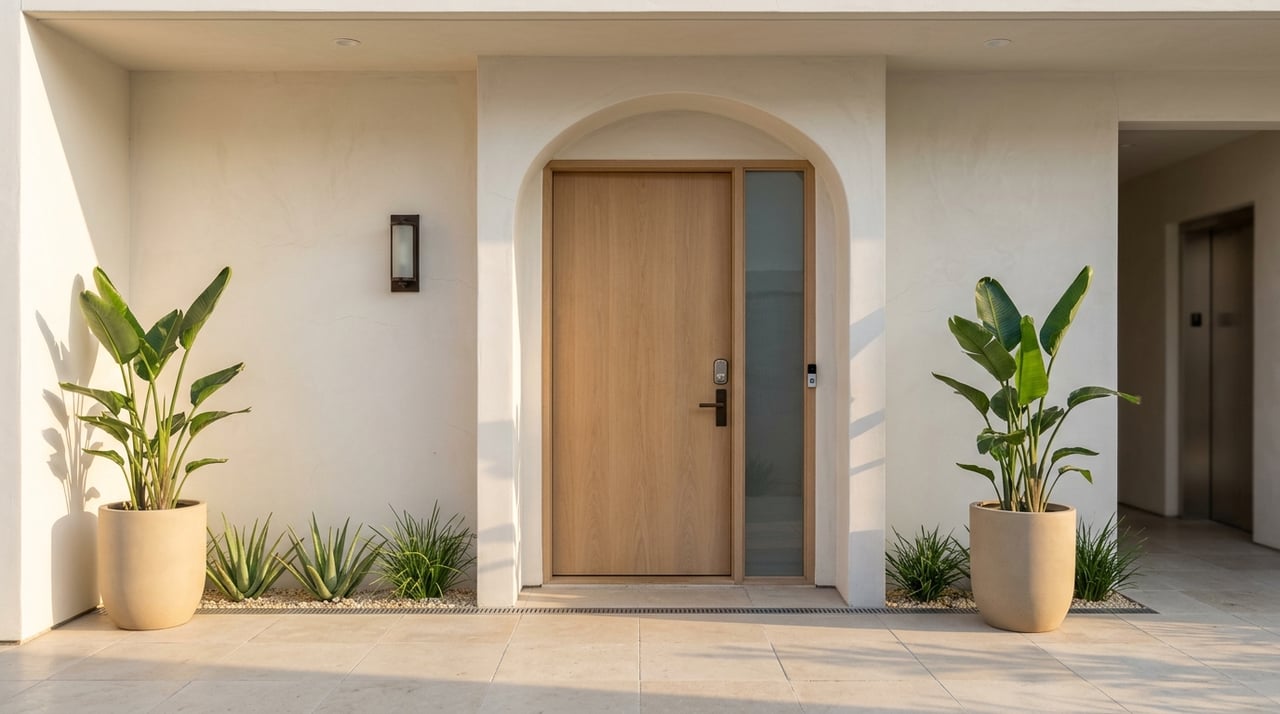
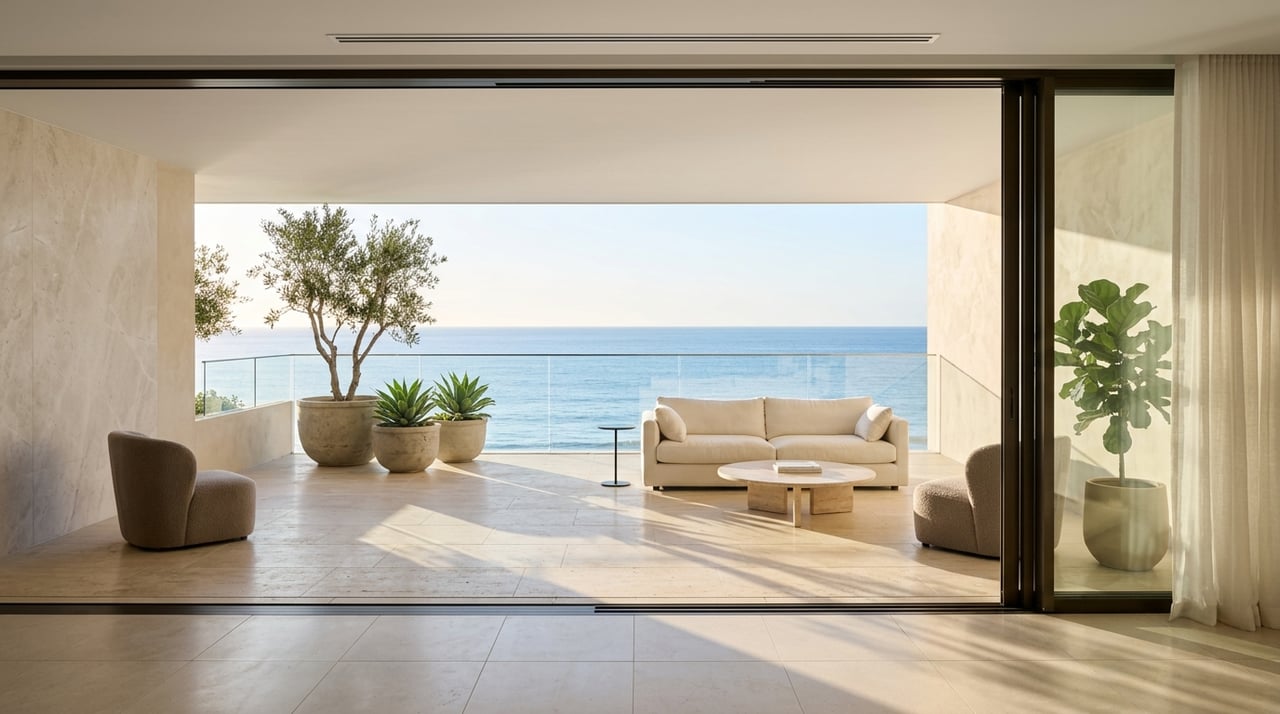

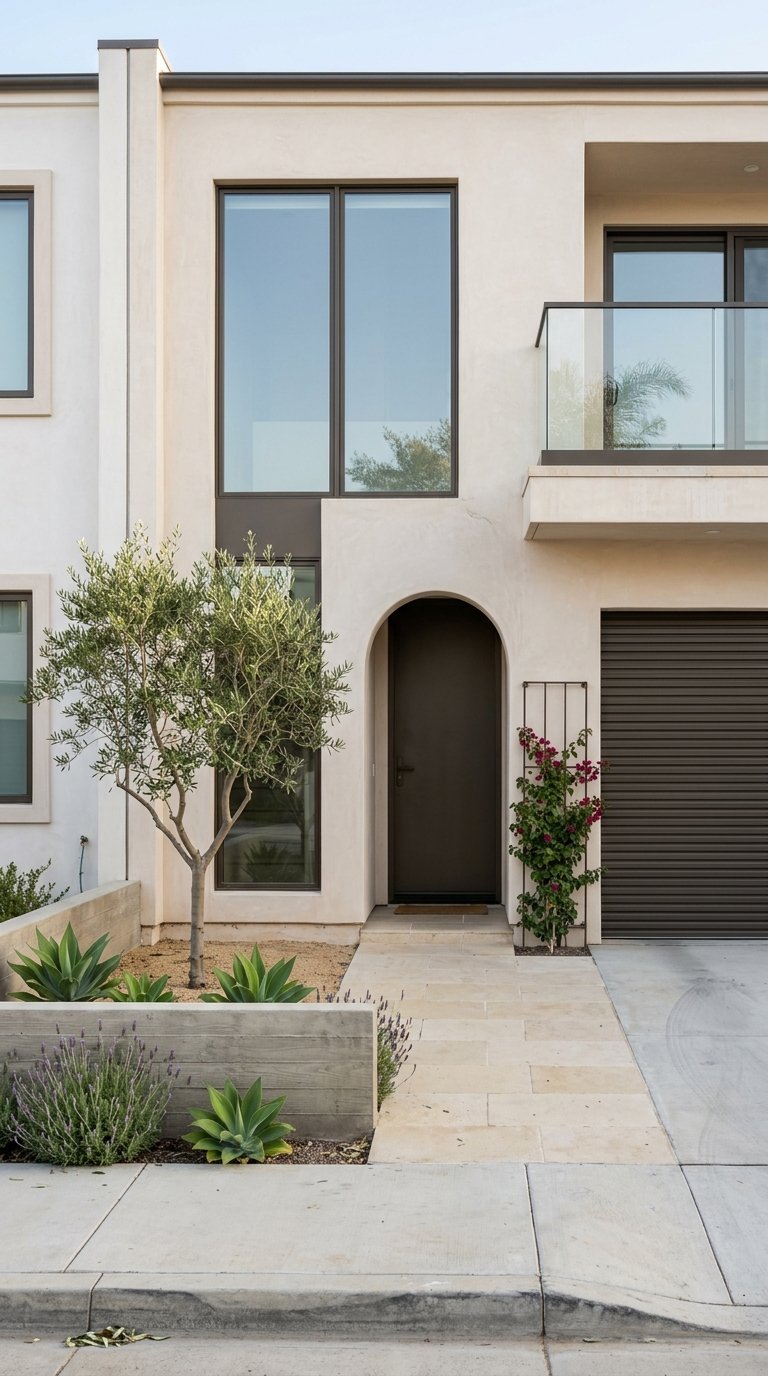


We pride ourselves in providing personalized solutions that bring our clients closer to their dream properties and enhance their long-term wealth. Contact us today to find out how we can be of assistance to you!