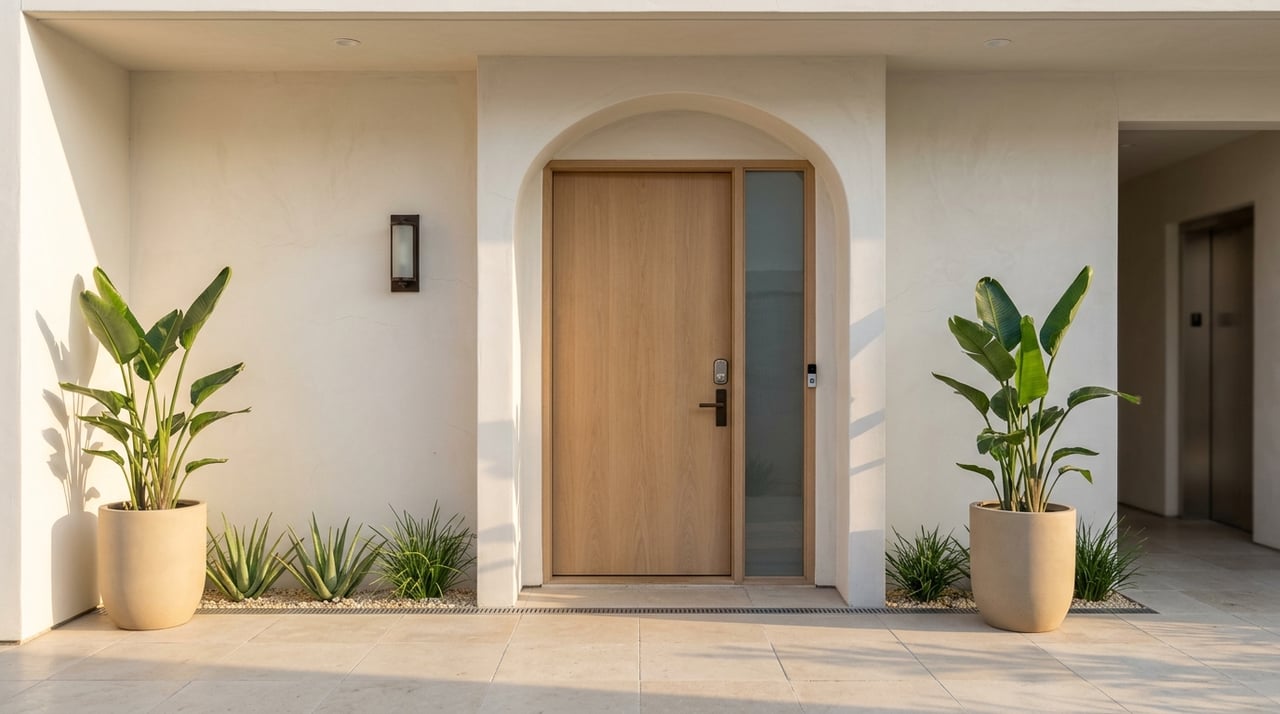
Is A Coronado Lock-And-Leave Home Right For You?
Dreaming about a Coronado home you can close up and leave without a long to-do list waiting when you return? If you split time between cities, travel often, or simply want less day-to-day upkeep, a lock-and-leave property can sound like the ideal fit. In Coronado, though, the right choice depends on more than square footage or a pretty coastal address. You need to understand HOA responsibilities, reserve health, insurance details, and local rental rules before you buy. Let’s dive in.
A true lock-and-leave home is designed to reduce the amount of hands-on maintenance you handle yourself. In California common interest developments, the homeowners association typically takes care of common-area repair and maintenance, while you remain responsible for your separate interest and any exclusive-use common area tied to your home.
That distinction matters in Coronado. A property is not automatically low-maintenance just because it is smaller, newer, or part of a condo building. The better question is whether the day-to-day upkeep has been clearly shifted away from you and supported by solid HOA governance.
Coronado has a very specific coastal setting. The city’s General Plan places the entire city within the coastal zone, and local hazard planning addresses sea-level rise, storm surge, coastal flooding, and erosion through 2100.
For you as a buyer, that means a lock-and-leave home should be evaluated for durability as well as convenience. A low-maintenance lifestyle in Coronado works best when the property and the association are prepared for coastal wear, and when you have a clear picture of flood and earthquake insurance considerations.
The most reliable lock-and-leave properties are usually the ones where ownership responsibilities are easy to understand and easy to manage from afar. In many cases, that points buyers toward HOA-managed homes rather than fully detached properties.
Look for these practical signs:
If any of those items feel vague, ask more questions. With lock-and-leave living, clarity is part of the value.
Many buyers focus first on the monthly HOA number. That is understandable, but in Coronado, the more important issue is what the fee actually covers and whether the association is planning ahead.
California law requires HOA annual budget reporting to include key reserve and maintenance information. That includes a pro forma budget, reserve summary, reserve funding plan, deferred repairs or replacements, anticipated special assessments, outstanding loans, and insurance summaries.
In plain terms, a lower HOA fee is not always the better deal. If reserves are weak or major repairs have been pushed into the future, you could face bigger costs later.
If you are serious about a Coronado lock-and-leave purchase, a few documents deserve close attention. These materials can tell you whether the home is likely to feel effortless or unexpectedly expensive.
Focus on reviewing:
California reserve-planning rules also require boards to inspect reserve components at least every three years and review the study annually. That makes reserve health a key part of your due diligence, not a minor detail.
A lock-and-leave home should reduce stress, not hide it. If the association is underprepared, the convenience you want can quickly turn into surprise projects, rising costs, or maintenance concerns while you are out of town.
Watch for these warning signs:
California law also allows emergency assessments for unforeseen hazardous conditions or extraordinary expenses. That is one more reason to look past the surface and understand how well the HOA is actually run.
Insurance is one of the most overlooked parts of the lock-and-leave decision. The HOA may carry property, liability, earthquake, flood, and fidelity insurance, but the association’s insurance summary is not the same as full personal coverage for you.
The state disclosure framework makes clear that HOA coverage may not protect your personal property or improvements around the dwelling. Before buying, you should understand what the HOA policy covers, what it does not cover, and what you may need to carry separately.
In a coastal market like Coronado, that review is especially important. Convenience only works when your risk planning is just as buttoned-up as the building itself.
For many buyers, condos and other HOA-managed properties offer the clearest path to authentic lock-and-leave living. The association often absorbs more of the exterior and common-area upkeep, which can make ownership more predictable when you travel frequently or use the home part-time.
A detached home can still work, but it usually requires stronger support systems. If exterior care, landscaping, and security depend on your own vendors or oversight, the home may feel less carefree than you expected.
This is the real tradeoff in Coronado: convenience and predictability versus autonomy and control. Neither option is wrong, but one may fit your lifestyle better.
This type of property tends to work best if you want a coastal base without constant hands-on responsibility. It can be especially appealing if you divide your time between locations or want a second home that does not create another full maintenance schedule.
A Coronado lock-and-leave home may be a strong fit if you are:
If that sounds like you, the right property can support an easy, polished lifestyle. The key is making sure the home’s maintenance framework matches the promise.
Not every buyer will be happy in a lock-and-leave setup. If you want broad freedom to customize, control every detail, or use the property in ways that HOA or city rules may limit, you may feel constrained.
This option may be less ideal if you want:
That last point is especially important in Coronado. The city states that short-term vacation rentals are prohibited in residential zones, and stays must be at least 26 consecutive days to comply with the municipal code.
Some buyers picture a second home that can also generate rental income while they are away. In Coronado, you need to evaluate that carefully before counting on flexibility.
Because short-term vacation rentals are prohibited in residential zones and rentals must be at least 26 consecutive days, the lock-and-leave decision is not just about maintenance. It is also about how you plan to use the home, whether that use aligns with city rules, and whether any HOA rules add more limits.
If rental income is part of your strategy, it is worth confirming the property’s practical use case before moving forward. A beautiful home is not automatically the right fit if its rules do not support your ownership goals.
Before you buy, make sure you understand both the physical property and the structure behind it. A polished exterior can look effortless, but the real test is whether the systems, documents, and responsibilities support easy ownership over time.
Use this checklist as a starting point:
A well-matched lock-and-leave home should feel streamlined on paper, not just in photos.
The best Coronado lock-and-leave home is not simply the smallest home or the newest condo. It is the property with clear maintenance responsibilities, strong HOA planning, solid reserve health, appropriate insurance review, and usage rules that match your lifestyle.
If you want a home that supports travel, part-time living, or a more effortless coastal routine, the details matter. The right purchase can give you real peace of mind, while the wrong one can leave you managing the very issues you hoped to avoid.
If you want help evaluating Coronado properties through both a real estate and lifestyle lens, Laura Valente offers boutique guidance shaped by local market knowledge, design perspective, and hands-on property experience.
We pride ourselves in providing personalized solutions that bring our clients closer to their dream properties and enhance their long-term wealth. Contact us today to find out how we can be of assistance to you!