Staging A Dana Point Ocean-View Home For Impact
What makes an ocean-view home in Dana Point feel unforgettable online and in person? Often, it is not more furniture or more décor. It is the right presentation. In a coastal market where views, light, and indoor-outdoor flow carry real weight, staging should help your home feel polished, calm, and easy to picture as move-in ready. This guide walks you through the staging choices that matter most, where to focus your budget, and how to make your Dana Point ocean-view home stand out. Let’s dive in.
Dana Point is a view-driven coastal market shaped by bluffs, hills, beaches, and harbor outlooks. City information highlights nearly seven miles of coastal bluffs and rolling hills along the Pacific, and recent market data show a median sale price of about $2.0 million in the three months ending April 2026, with homes averaging about 40 days on market. In that setting, presentation matters because buyers are not just comparing square footage. They are comparing lifestyle, finish, and how well a home lives around its view.
Staging also has measurable benefits. In the 2025 Profile of Home Staging, 83% of buyers’ agents said staging made it easier for buyers to visualize a property as a future home. The same report found that 49% of sellers’ agents said staging reduced time on market, and 29% reported a 1% to 10% increase in the dollar value offered.
Online presentation is part of that story. NAR reported that about half of agents believe buyers expect homes to look professionally staged online, and one-third of buyers’ agents said buyers were more willing to walk through a staged home they first saw online. For a Dana Point listing, that means staging and photography should work together from the start.
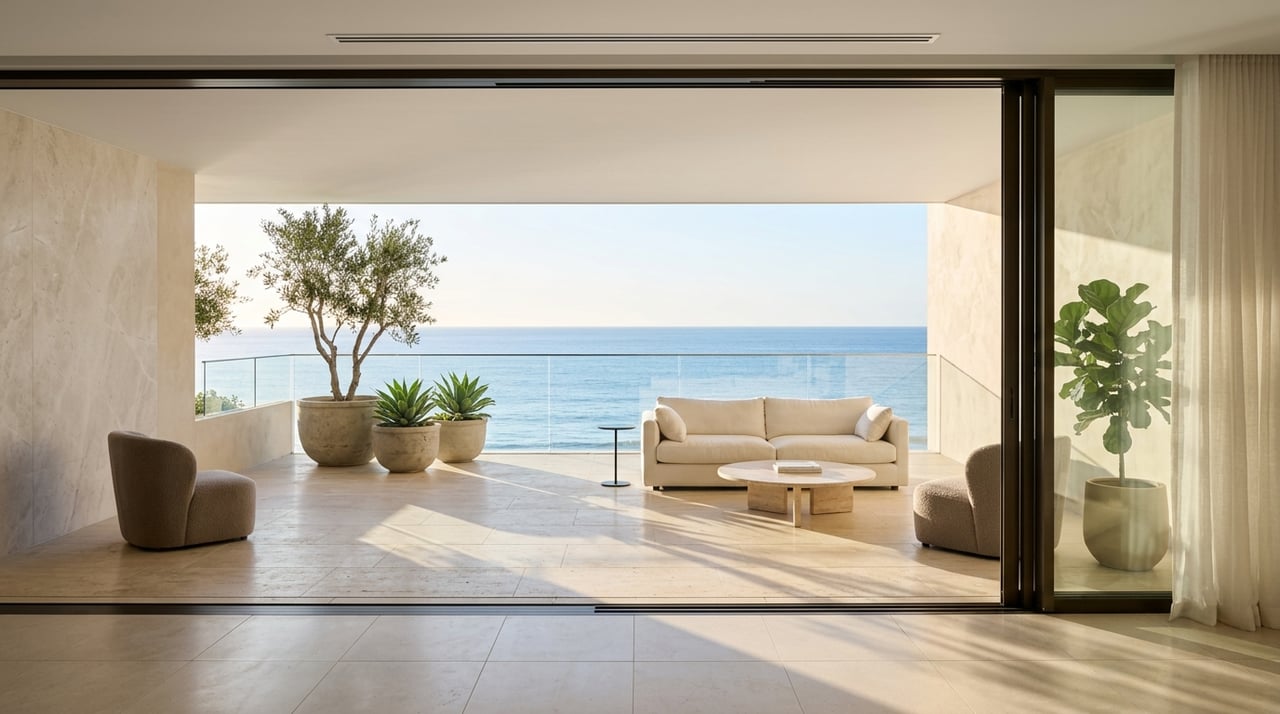
In an ocean-view home, the view is the feature buyers remember. Your staging should support it, not compete with it. That means keeping sightlines open from the entry, living area, dining space, and primary suite whenever possible.
Use lower-profile furniture and keep layouts simple. Avoid oversized sectionals, tall plants, bulky consoles, or heavy art near window walls and slider doors. If a buyer’s eye stops at furniture instead of moving naturally toward the ocean, harbor, or bluff outlook, the room is not doing its job.
Window treatments deserve special attention. Heavy drapery can make a premium view feel smaller and darker. In many cases, a cleaner, lighter treatment helps the room feel brighter and keeps the exterior outlook as the focal point.
Not every room needs the same level of effort. NAR reports that the most commonly staged spaces are the living room, primary bedroom, and dining room, with kitchens and outdoor spaces also important. In Dana Point, these are usually the rooms that carry the most emotional and photographic value.
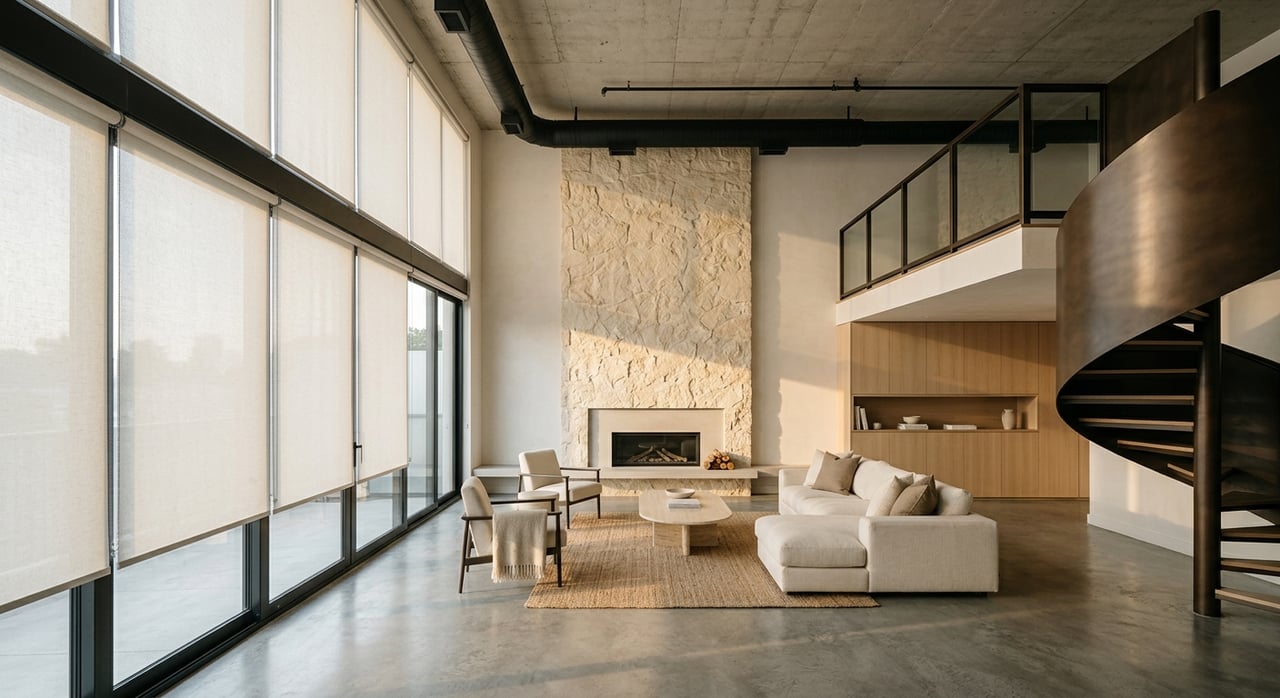
The living room is often the main view room, so it should feel open, refined, and easy to move through. Choose seating that frames conversation but leaves clear visual access to windows and doors. A simple rug, restrained accessories, and one strong focal point are usually enough.
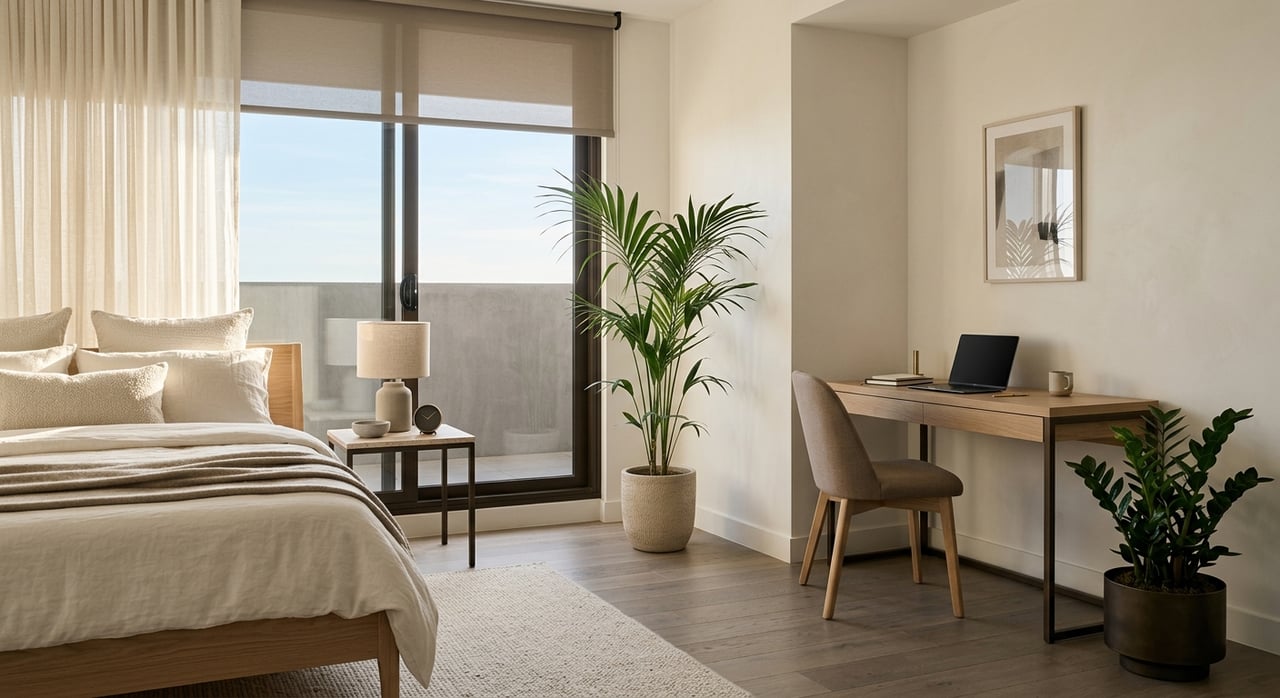
The primary bedroom should feel serene and spacious. NAR identifies it as one of the most frequently staged rooms, and that makes sense. Buyers respond well to a suite that feels uncluttered, restful, and ready to enjoy.
Keep bedside surfaces clear and accessories minimal. Generous negative space often photographs better than a fully styled room. Crisp bedding, soft texture, and a simple palette usually go further than layered décor.
A dining area should help define how the home lives, especially in open layouts. Keep the table scaled to the room and avoid overcrowding it with centerpieces or extra seating. If there is a water or bluff view nearby, orient the layout so the room feels connected to it.
Kitchens and outdoor areas matter because they support the lifestyle buyers expect in a coastal home. Clear counters, edited styling, and clean finishes make the kitchen feel fresh and current. Outside, even a compact balcony or patio should read as usable living space rather than leftover square footage.
Dana Point’s setting suggests a coastal look, but there is a big difference between coastal and themed. A premium ocean-view home usually benefits from a restrained palette instead of obvious nautical touches. Think white, sand, oak, stone, linen, and muted sea-glass accents.
This approach fits the area’s mild coastal light well. NOAA weather guidance for coastal Southern California notes that cloudiness can linger into the afternoon, especially during late spring and early summer. Soft, calm materials tend to look more consistent under marine light than highly saturated colors or shiny finishes.
The goal is to create a resort-like calm. You want buyers to feel the setting without being distracted by seashell motifs, rope décor, or overly literal beach styling. In most cases, less is more.
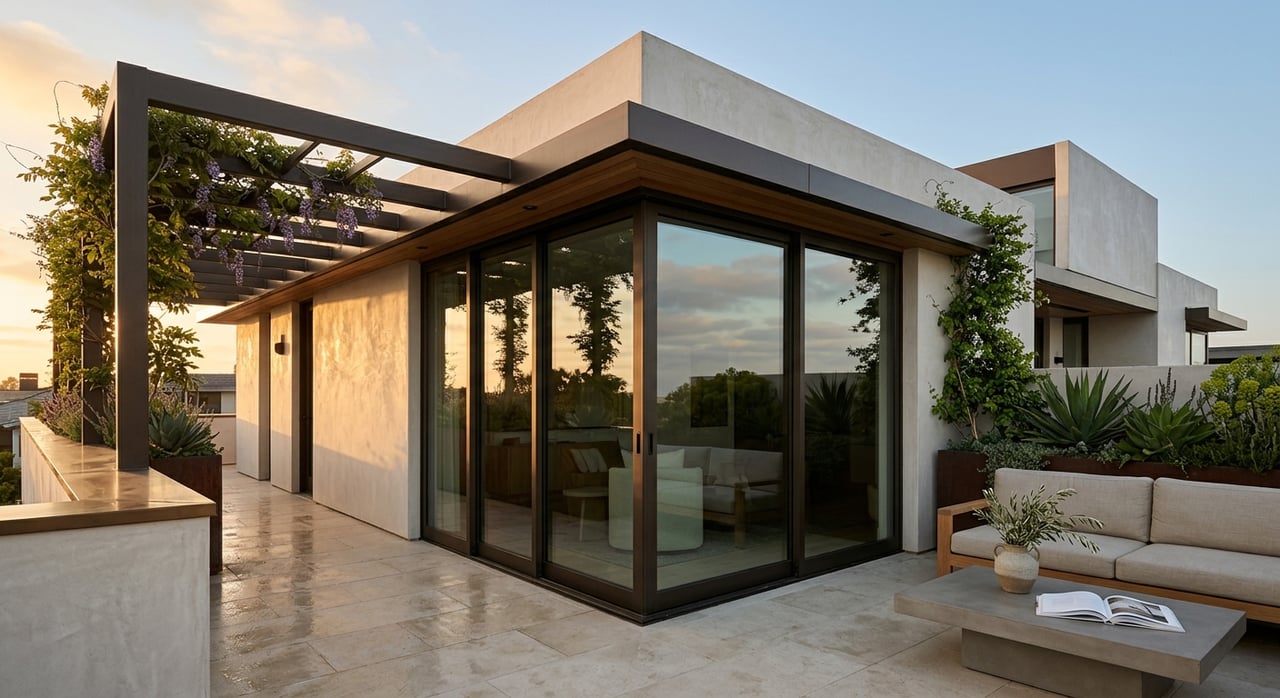
In Dana Point, outdoor staging is not optional when the home has a view. Balconies, terraces, patios, and decks should feel like natural extensions of the interior. NAR specifically includes outdoor spaces among the key areas to stage, and in a coastal market, that advice carries extra weight.
Even a modest outdoor area can make a strong impression when it feels intentional. A small seating group, clean cushions, and simple styling can help buyers understand how they might use the space. The aim is to show comfort, scale, and connection to the setting.
Pay attention to maintenance here too. In marine environments, salt mist can accelerate corrosion, so weathered metal, railings, and outdoor hardware should be refreshed before photography and showings. Small details outside can shape the overall impression of quality.
Most buyers meet your home online first. That is why staging decisions should be made with photography in mind. A room can feel fine in person but still read crowded, dark, or visually confusing in listing photos.
Start by simplifying every composition. Remove extra chairs, large accessories, and anything that blocks natural light or interrupts clean lines. The camera tends to exaggerate clutter, so edited spaces usually feel more luxurious.
Shoot timing matters near the coast. NOAA guidance notes that coastal cloudiness can persist into the afternoon or even all day during stratus season. For that reason, it is smart to build flexibility into the photo schedule and plan a backup shoot window if needed.
The biggest mistake is letting the view disappear. If furniture, heavy drapery, or large décor pieces pull attention away from the outlook, the staging is working against the home. In Dana Point, the ocean, harbor, or bluff setting is often the hero feature.
Another common issue is overdecorating. Buyers in this price range usually respond better to calm, intentional rooms than to spaces filled with accessories. Clean surfaces and visual breathing room help the home feel larger, brighter, and more refined.
It is also easy to overlook exterior wear. Coastal conditions can be hard on finishes, so details like tarnished hardware or weathered railings may stand out more than you expect in high-resolution photos. A quick refresh can have a meaningful visual payoff.
Full staging is not always necessary. NAR reports a median staging-service cost of $1,500, and when full staging is not in the plan, more than half of sellers’ agents recommend decluttering or correcting property faults instead. That can still be a smart strategy if you focus on the right spaces.
For a Dana Point ocean-view home, the first dollars usually go furthest in these areas:
These spaces shape first impressions, listing photos, and emotional response. If you simplify, brighten, and polish them well, you can often create a stronger overall presentation without staging every room.
Staging works best when it is part of a bigger plan. Layout, scale, color, lighting, and photography all need to support the same story. In a market like Dana Point, that story is usually about ease, calm, and a seamless relationship between interior living and the coastal setting.
That is where a design-forward strategy can make a difference. Instead of filling rooms, the goal is to edit them carefully so buyers see the home’s full potential right away. When your home looks polished online and feels effortless in person, you give the market a clearer reason to respond.
If you are preparing to sell and want a tailored plan for your Dana Point property, Laura Valente brings a boutique, design-led approach to presentation, marketing, and the full selling process.
We pride ourselves in providing personalized solutions that bring our clients closer to their dream properties and enhance their long-term wealth. Contact us today to find out how we can be of assistance to you!