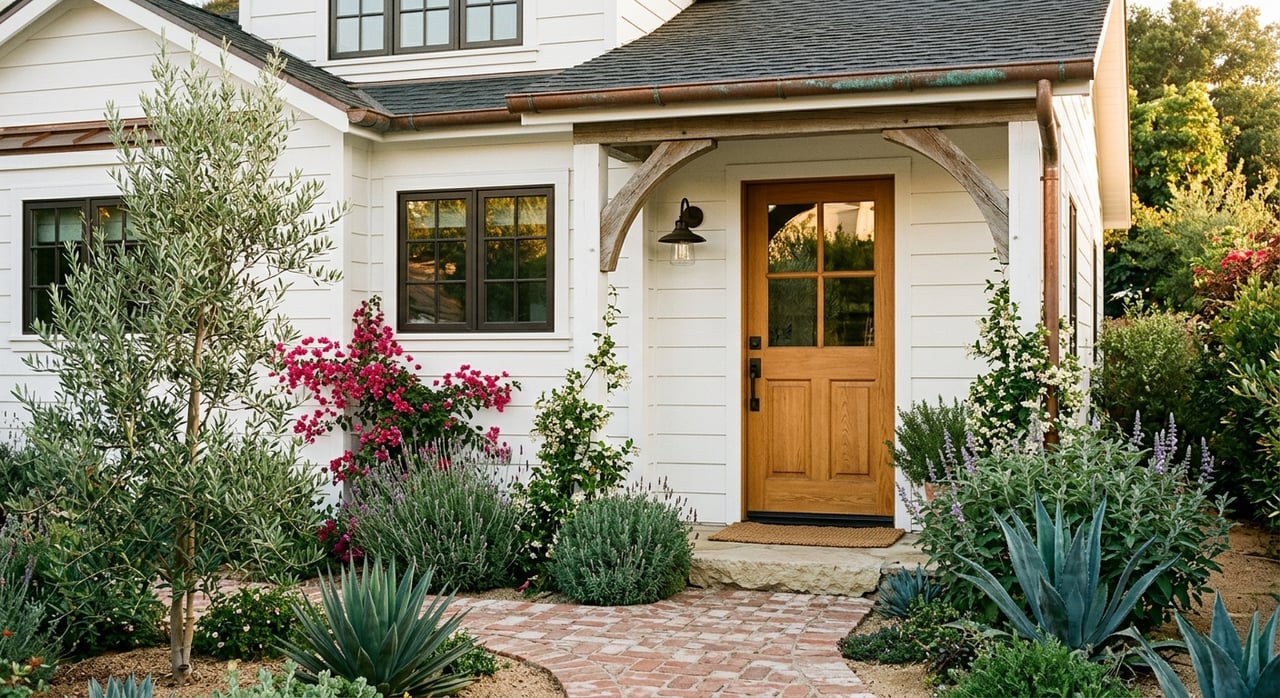
Updating A Coronado Cottage Without Losing Its Charm
Wondering how to modernize a Coronado cottage without stripping away the details that made you love it in the first place? You are not alone. In Coronado, smart updates often come down to a careful balance of charm, resale value, and local review requirements. This guide walks you through how to refresh an older cottage in a way that feels polished, market-aware, and true to its original character. Let’s dive in.
In Coronado, a cottage update is not just a design decision. It can also be a planning and permitting decision, especially when exterior work is involved. The city handles design review, coastal permits, and historic preservation through Community Development, so it is wise to understand that process before you finalize your wish list.
If your home is a designated Historic Resource, any exterior modification requires a Historic Resource Alteration Permit. If the structure is 75 years old or older, removing original street-visible features can trigger a Determination of Historic Significance Review. That means early research can save you time, money, and frustration later.
Before you price out windows, porch changes, or siding, confirm whether your home is historically designated or likely to be reviewed as historic. In Coronado, that single step can shape what changes are allowed and how those changes need to be documented.
For homes with historic or Mills Act status, Coronado’s alteration guidelines emphasize preservation. The city’s guide says to preserve original wall and siding materials, retain significant architectural features, avoid adding elements that were not part of the original building, and keep the size and shape of windows and doors. The guide also prohibits vinyl.
That does not mean your home has to stay frozen in time. It means the best updates usually improve function and appearance while respecting original proportions, materials, and visible details.
If you plan to sell in the next 6 to 18 months, restrained updates often make more sense than a major remodel. In the 2024 Pacific Cost vs Value report, a minor kitchen remodel recouped 134.3% of cost on average, while a major midrange kitchen remodel recouped 67.8% and an upscale kitchen remodel recouped 54.6%.
Bathrooms show a similar pattern. Midrange bath remodels recouped 95.6%, while upscale bath remodels recouped 59.3%. For many Coronado sellers, that supports a lighter-touch plan centered on finishes and presentation instead of expensive reconfiguration.
A thoughtful cottage refresh may include:
These changes can photograph well, support showings, and keep the home feeling authentic. They also tend to be easier to complete on a seller-friendly timeline.
In an older Coronado home, original features often do more than add charm. They help the property stand out. If those details are still in place, repairing them rather than replacing them may better protect both character and compatibility.
National Park Service guidance says deteriorated historic features should be repaired rather than replaced when possible. When replacement is necessary, the replacement should match the original in design, color, texture, and materials. In practical terms, that usually means you should think twice before removing visible trim, changing window proportions, or swapping out siding with something that reads too new.
A Coronado cottage should still feel like a Coronado cottage after the work is done. The goal is refinement, not reinvention.
Porches deserve special attention because they can define the look of a cottage from the street. In many cases, they are one of the most memorable parts of the home’s exterior.
The National Park Service notes that enclosing a prominent porch can dramatically change historic character, especially when open porches are part of a repeated streetscape. Guidance favors patching, reinforcement, and limited replacement in kind when the porch can still be retained.
If your porch needs help, start with structure and repair. A restored porch often keeps more charm than a fully redesigned one, and it is usually more in line with Coronado’s preservation approach.
Coronado’s marine-adjacent setting makes durability part of the design conversation. Marine environments are corrosive and can accelerate corrosion processes, so material choices matter even when the project seems mostly cosmetic.
If you need to replace visible siding or trim, compatible appearance and physical properties matter. Preservation guidance says substitute materials should be carefully matched in texture and weathering when they are visible from the street. That is especially important in a cottage where small details do a lot of visual work.
This is where a design-led approach can help. You want finishes that look right on day one and continue to age well in a coastal environment.
Windows are one of the biggest decision points in an older cottage. They affect curb appeal, interior light, energy performance, and permit needs, all at once.
In Coronado, window replacement on historically designated resources requires Historic Resource Commission approval. For non-historic homes, window replacement may be exempt if the existing frame and weatherproofing remain in place and the opening size does not change.
That makes window planning an early-stage task, not a last-minute finish choice. If you are trying to move quickly toward market, confirming the review path early can help you avoid delays.
Some projects in Coronado may also involve coastal review. The city’s coastal permit handout says coastal permits are required for new development or discretionary permits that require a coastal permit.
If your work affects the public right-of-way, a separate permit may also be needed. This matters most for exterior projects where owners sometimes assume a contractor can simply begin once plans are ready. In Coronado, complete review up front is the safer path.
One of the easiest ways to lose time and budget is to update finishes before solving underlying issues. In older cottages, the order of work matters.
A practical sequence looks like this:
This order helps protect your investment in the cosmetic layer. It also supports cleaner project management if you are working toward a target listing date.
If your project requires historic review, the city asks for a project summary, current photos, drawings, elevations, and a door and window schedule as part of the Historic Resource Alteration Permit application. Coastal permit applications also require complete submittals and public-notice materials.
Incomplete applications are not docketed. That is a strong reason to define scope carefully before demolition or ordering materials. A well-organized package can keep your project moving and reduce avoidable back-and-forth.
If your goal is resale, think about the features buyers notice first in photos and in person. In many Coronado cottages, that means curb appeal, the front entry, the porch, natural light, and a kitchen or bath that feels fresh without looking overbuilt.
The 2024 Pacific Cost vs Value report showed strong resale performance for several exterior projects, including garage door replacement at 250.7%, steel entry door replacement at 249.9%, manufactured stone veneer at 203.5%, fiber-cement siding at 115.7%, and wood deck addition at 111.1%. Even so, those numbers work best as context, not a one-size-fits-all checklist.
For a Coronado cottage, the better question is not just which project has a strong average return. It is which update improves presentation while still fitting the home’s scale, age, and street presence.
It is tempting to assume a larger kitchen or major addition will always create more value. In older Coronado cottages, that is not always the case.
Larger additions and custom changes can trigger more review, cost more, and take longer. They may also weaken the very character that makes the home appealing. In many situations, preserving original materials and proportions, then refreshing the spaces buyers use most, creates a stronger result with less risk.
If repair and compatibility can achieve the look and function you want, that is often the better first move. Expanding should usually be the fallback, not the starting point.
The most successful cottage updates tend to feel effortless when buyers walk in. Fresh finishes, preserved character, and a clear visual story can make the home feel both livable and memorable.
That is where thoughtful planning matters. When design decisions, local requirements, and listing strategy work together, you are more likely to protect the home’s charm and present it at its best.
If you are thinking about updating and selling a Coronado cottage, working with a team that understands both presentation and process can make the path much smoother. For a design-led strategy tailored to your property and timing, connect with Laura Valente.

We pride ourselves in providing personalized solutions that bring our clients closer to their dream properties and enhance their long-term wealth. Contact us today to find out how we can be of assistance to you!